
Do Elon Musk's Neuralink Implants Really Work? Evidence Reviewed
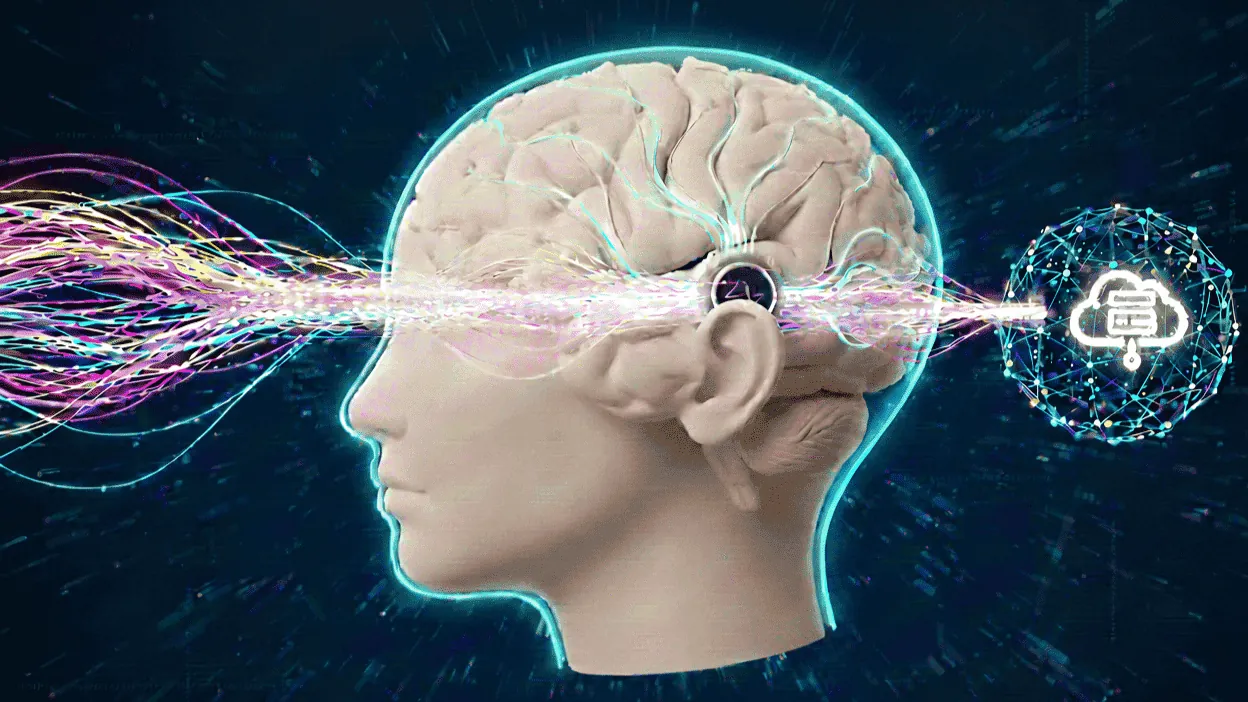
- Neuralink implants work for the people in its trials: participants in the US, Canada, and the UK control computers, type at up to 40 words per minute, and in some cases operate robotic arms by thought.
- Neuralink reported zero serious device-related adverse events as of January 2026, when it had 21 participants.
- Patient outcomes range from Noland Arbaugh's daily independence since January 2024 to UK participant Paul's cursor control hours after surgery.
PRIME Study patient stories
Noland Arbaugh received the first human implant in January 2024. Paralyzed from the shoulders down after a 2016 accident at a summer camp, he plays chess, designs 3D models, and studies neuroscience alongside pre-calculus. He was using the implant about 10 hours a day by August 2025, gives paid keynote speeches, and has said the device, which he named "Eve," made independence routine.
Alex Conley, the second patient at Barrow Neurological Institute, became the first to control a robotic arm with Neuralink, in the CONVOY study. ALS patient Nick Wray feeds himself using the arm and has described life with the implant as "surreal and rewarding." These stories cover both ALS and spinal cord injury.
Neuralink reached about 20 implants by the end of 2025 and reported 21 participants on January 28, 2026. Neura Pod's patient table lists 27+ publicly known patients as of October 2026.
Control soon after surgery
Paul, Neuralink's first UK participant in GB-PRIME at University College London Hospitals, controlled a computer cursor with his thoughts hours after surgery in October 2025, according to Neuralink. He now works with engineers to play Dawn of War. Videos taken after procedures show neural signals appearing as patients wake.
In Canada, two CAN-PRIME surgeries took place in Toronto in late August and early September 2025. Participants at US sites like the University of Miami have reported similar rapid onboarding. One veteran, implanted in April 2025, returned home the next day. These results show that the R1 robot's insertion of 1,024 electrodes on flexible threads works from the first days after surgery.
Jon Noble, a UK participant, wrote in December 2025 that more than 10,000 people were on the US waiting list.
Performance and safety
The median Neuralink participant reaches about 10 bits per second, and one set a brain-computer interface record of 11.32 bits per second in 2026, according to Neuralink's October 2026 update. Participants have typed at up to 40 words per minute. Software changes fixed the early thread retraction in Noland's implant, and decoders adapt to each brain, supporting multitasking like emailing and gaming.
Neuralink reported zero serious device-related adverse events as of January 2026. Over-the-air updates improve the software, and data from the first participants was submitted to the New England Journal of Medicine for peer review. Because the implant is wireless and fully implanted, users can shower and live normally, unlike users of wired arrays that pass through the skin.
Trials and scale
Implants have taken place in the US (Barrow and Miami), Canada (Toronto), and the UK (UCLH and Newcastle). UAE-PRIME is recruiting at Cleveland Clinic Abu Dhabi, with no implant reported as of October 2026. GB-PRIME launched in July 2025 and planned to enroll up to seven more people. Internal projections reported by Bloomberg target 20,000 implants a year by 2031. FDA Breakthrough Device Designations cover Telepathy, Blindsight, and speech restoration.
Arbaugh has said he values his freedom over the risks, and Nick looks forward to more independence. In November 2025, Elon Musk shared a report that Noland hopes to receive a second implant below his spinal injury to help restore leg movement.
This article was first published in October 2025 and corrected in October 2026; the latest patient count is on the patient table.








