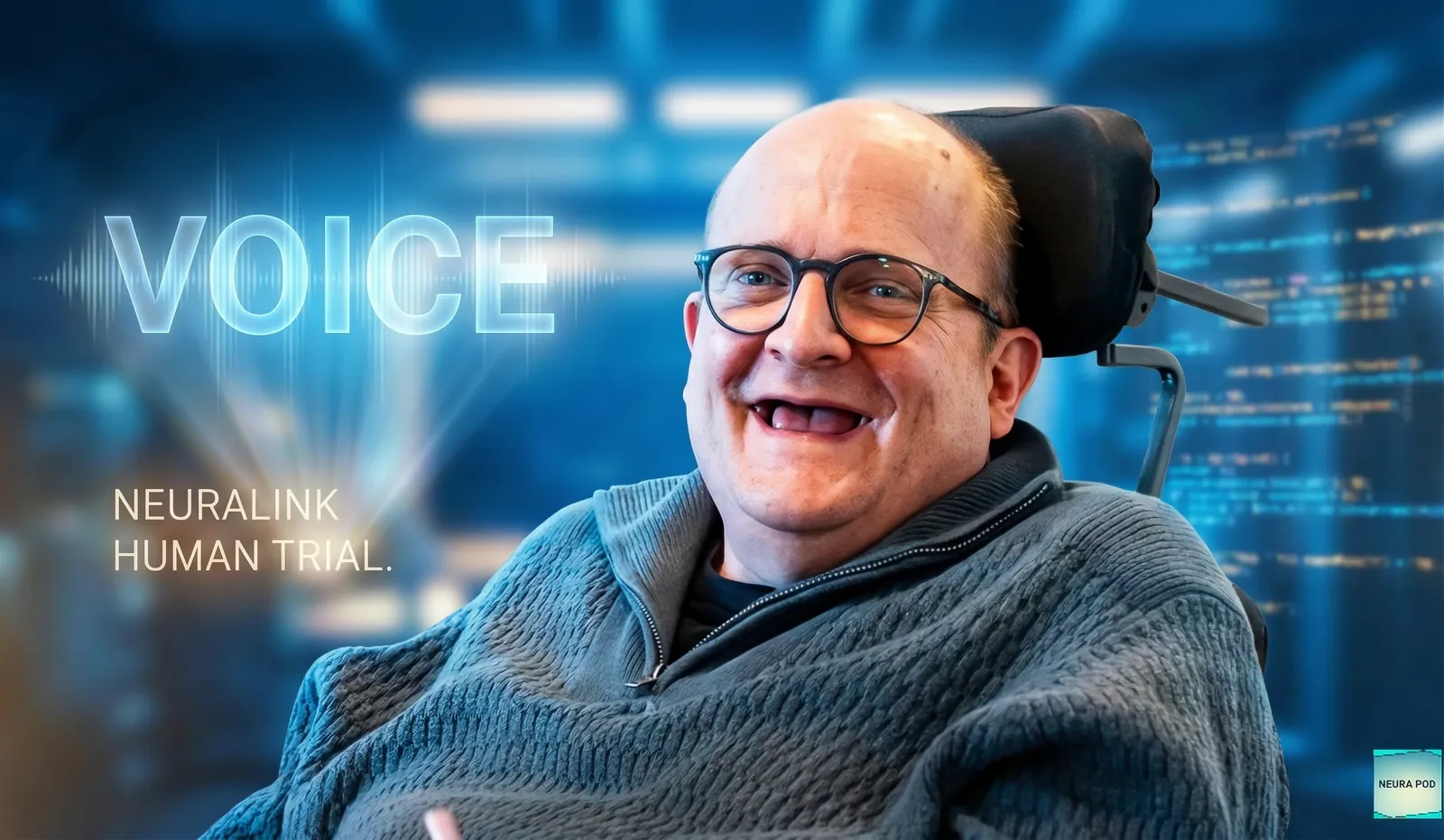
Terry's VOICE trial moment, a 3,000-channel implant, Elon on CCTV, who runs the robot, and Apple's Sonera deal.
Neuralink's Blindsight could restore sight to people a retinal chip cannot help. Here is how it compares with PRIMA.
Paradromics reported 4 years of stable signals in sheep. Here is how that compares with Neuralink and the human record.
Neuralink pretrained decoders on 50,000 hours of brain data, set an 11.32 BPS cursor record, and cut weekly calibration.
How a brain implant goes from Neuralink's FDA human trials to a device hospitals can offer, and where Neuralink is today.
This update covers Neuralink's careers page, Audrey's art made with her mind, Brad's ALS talk, and a skull-drill demo.
Patients drive wheelchairs with their minds, P26 Sergeant Lee Marten's story, a new valuation, and Neuralink with Optimus.
A flyover of the Austin campus, a Samsung chip deal, a transdural surgery first, and covering the newest patients.
Neuralink update: Patients beat mouse bit rates in BCI games. VOICE restores speech. New robot & patent boost safety.
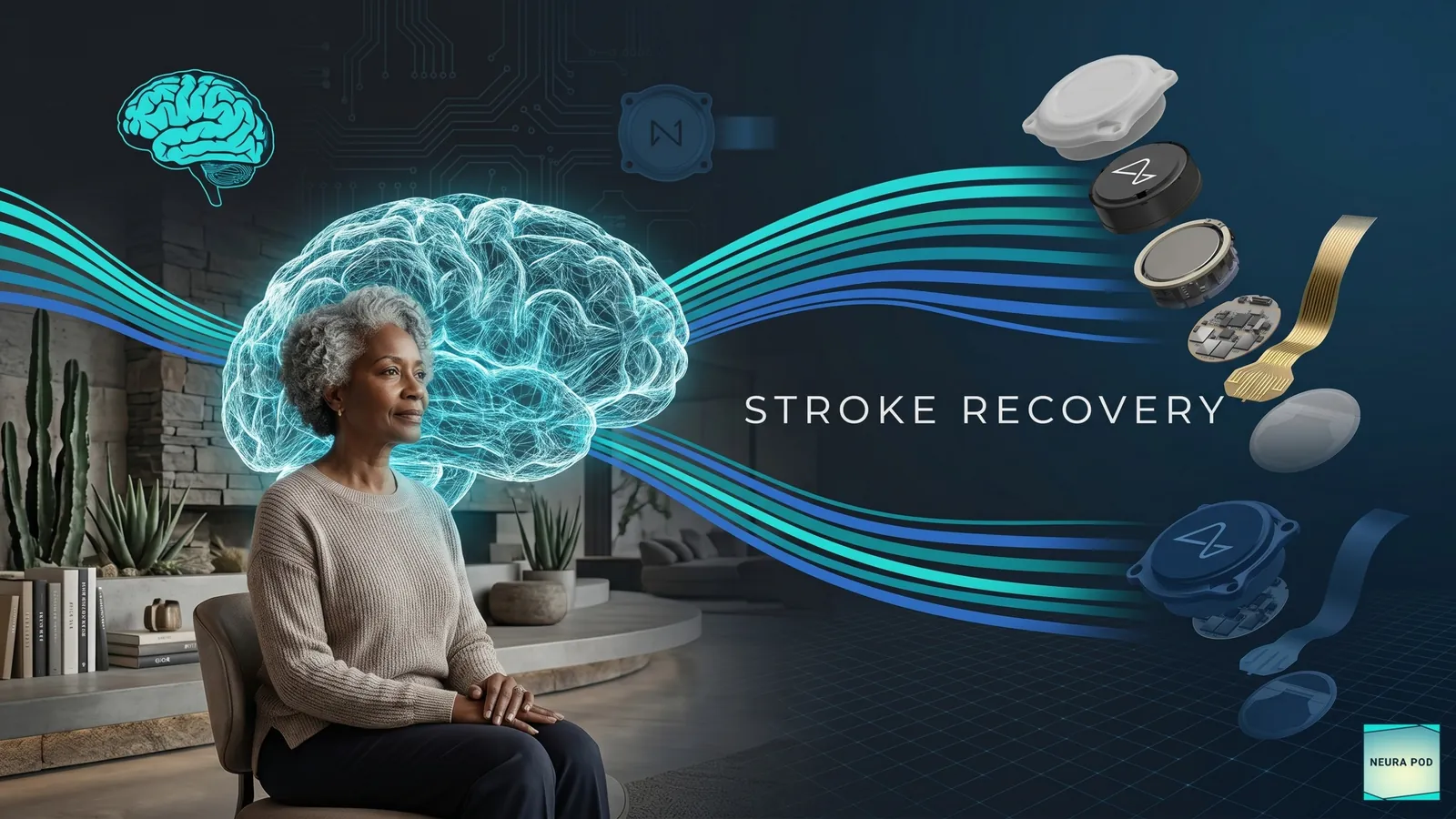
Stroke disables far more Americans than spinal cord injury, and Neuralink's trials now list stroke for speech and control.
Assistive tech is measured on convenience. For patients, Neuralink restores freedom and dignity.
Depression strikes up to 26% of SCI patients, but early Neuralink recipients describe restored autonomy and purpose.
The VA registers 38,000+ veterans with spinal cord injury. Why veterans could be among the first to get Neuralink at scale.
Only 35% of SCI survivors are employed 20 years after injury. Neuralink users are already working full days by thought.
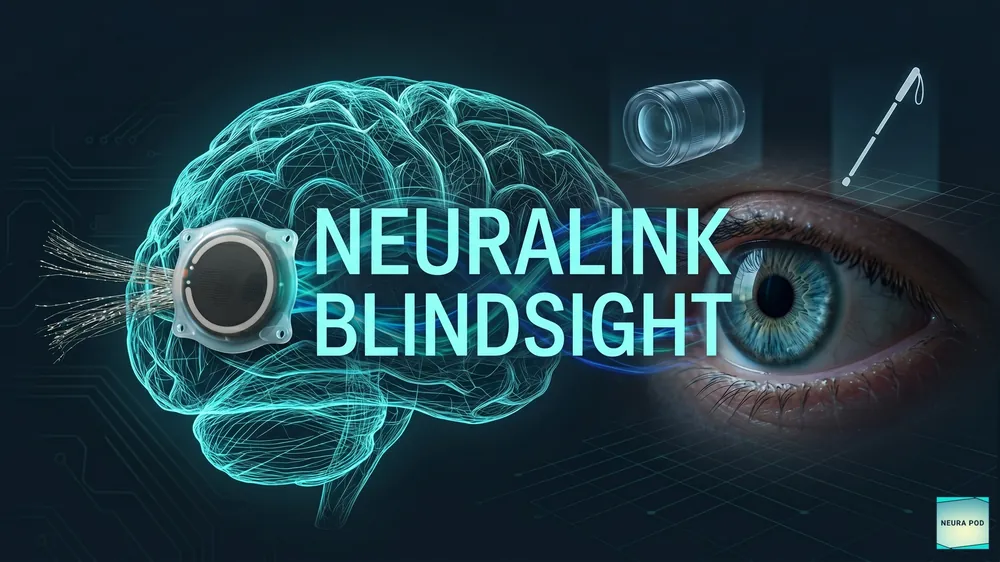
Neuralink's Blindsight implant aims to restore vision by stimulating the visual cortex, bypassing the eyes entirely.
CJ, Neuralink patient 24, lost his new CAD business to a 2020 injury and now works with Neuralink engineers on Revit.
This update covers the VOICE trial, Elon on robot surgeons, MrBeast with Noland, Merge Labs, and Meta's VR cuts.
Neuralink's VOICE trial for speech restoration has begun, with 2 participants implanted by January 2026.
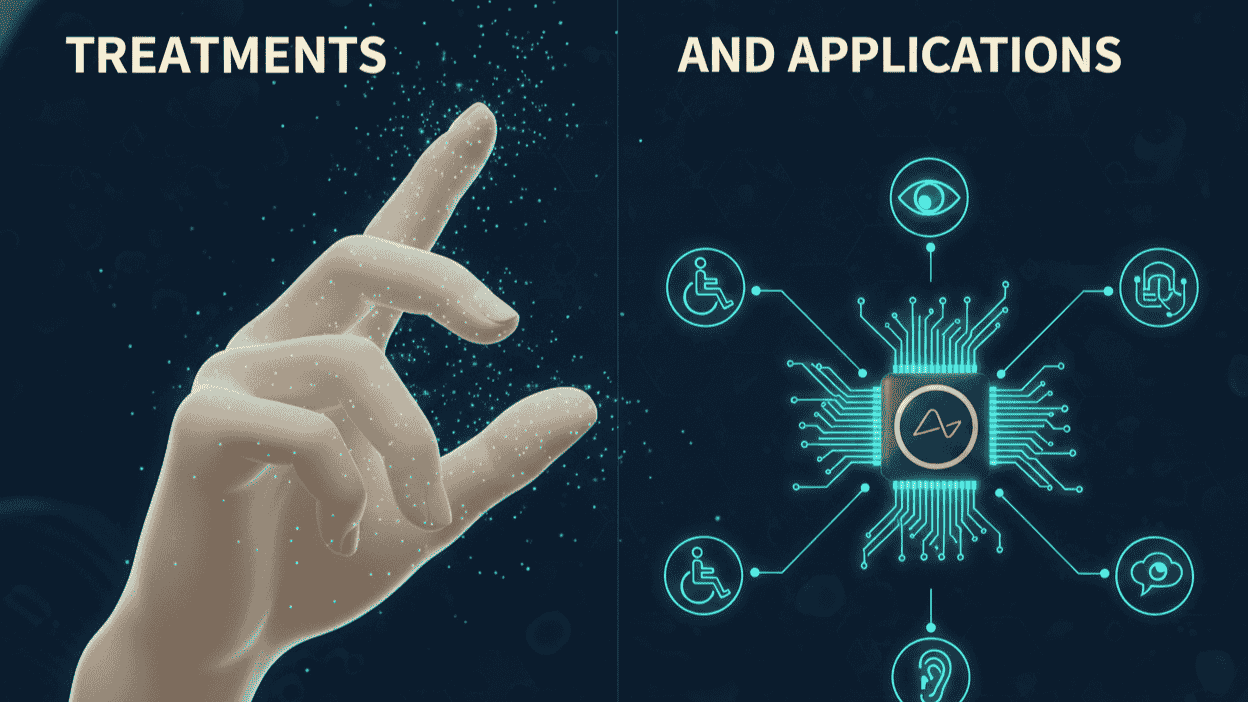
Neuralink aims to treat paralysis, ALS, blindness, hearing loss, Parkinson's, mental health, and more via brain implants.
Neuralink hits 7 UK implants and 19 globally, with the 20th following in December 2025.
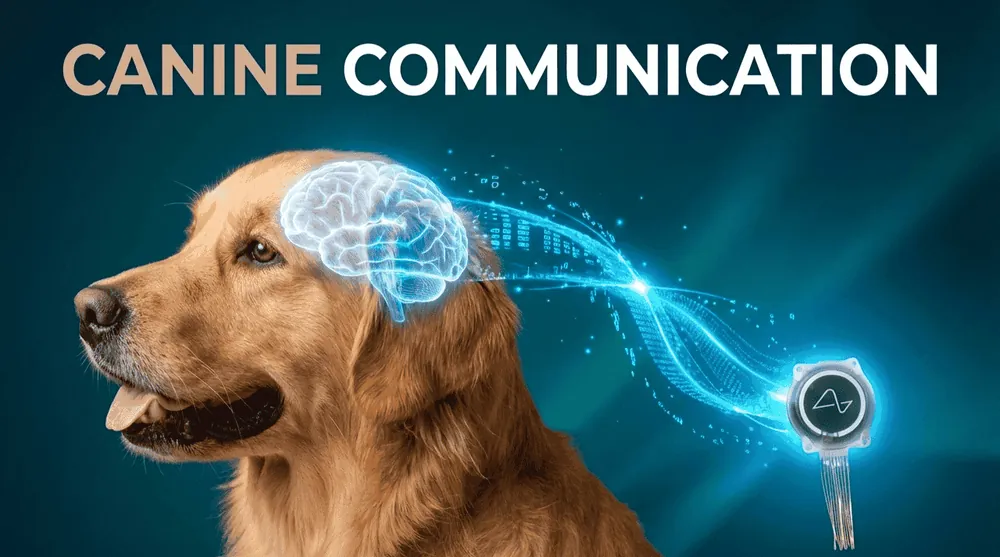
Whether Neuralink could ever let people communicate with dogs, what it would take, and why it remains speculation.
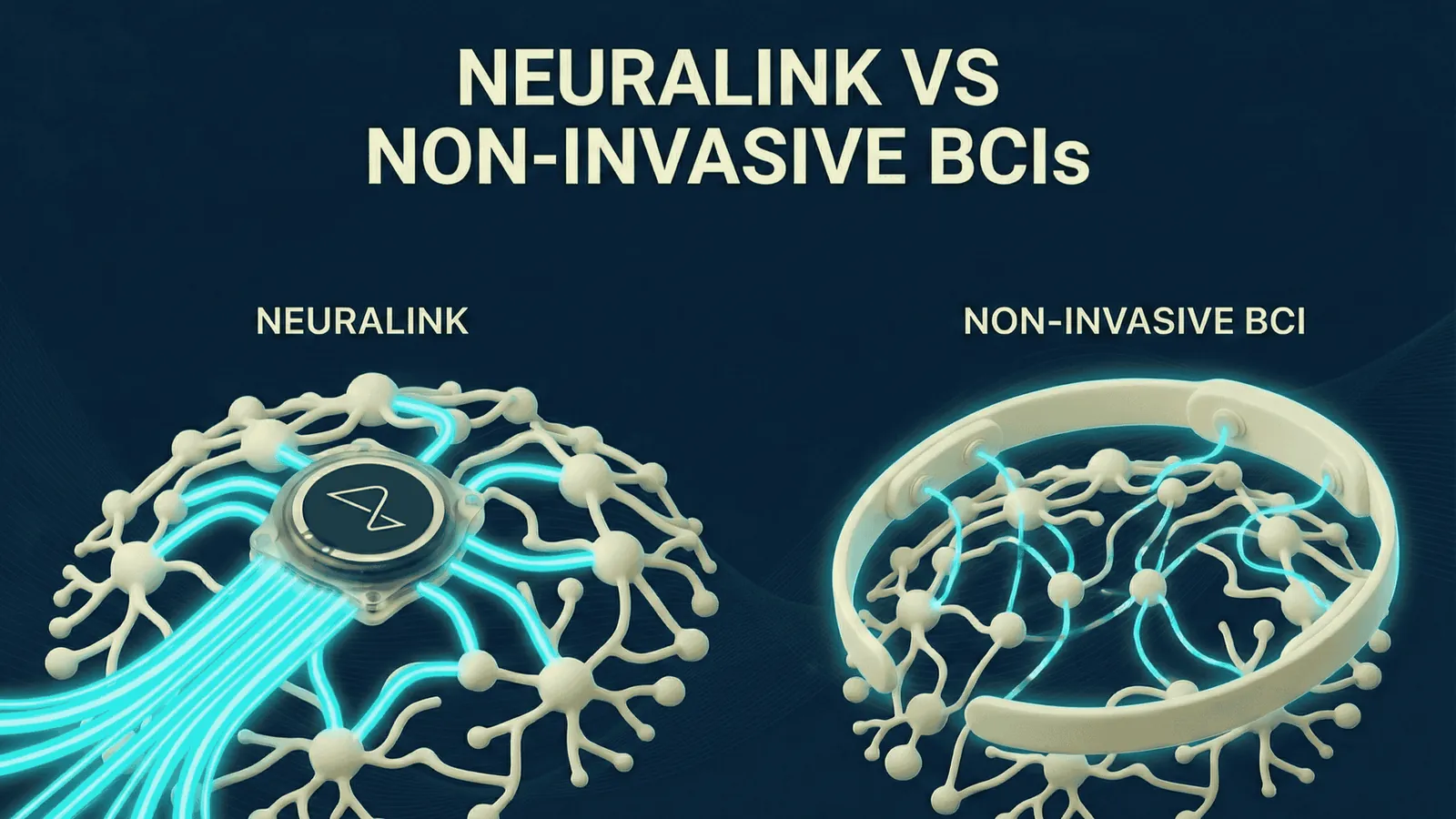
How Neuralink's data rates compare with EEG and other non-invasive brain-computer interfaces, in raw data and usable speed.
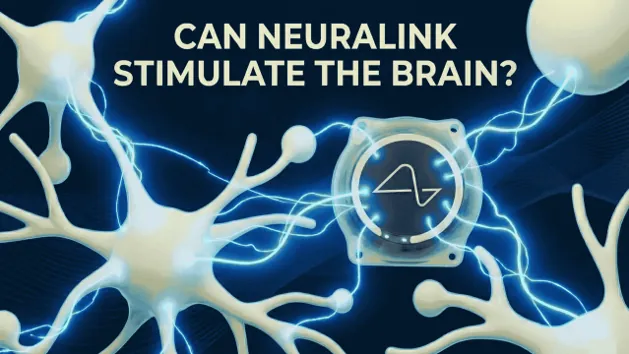
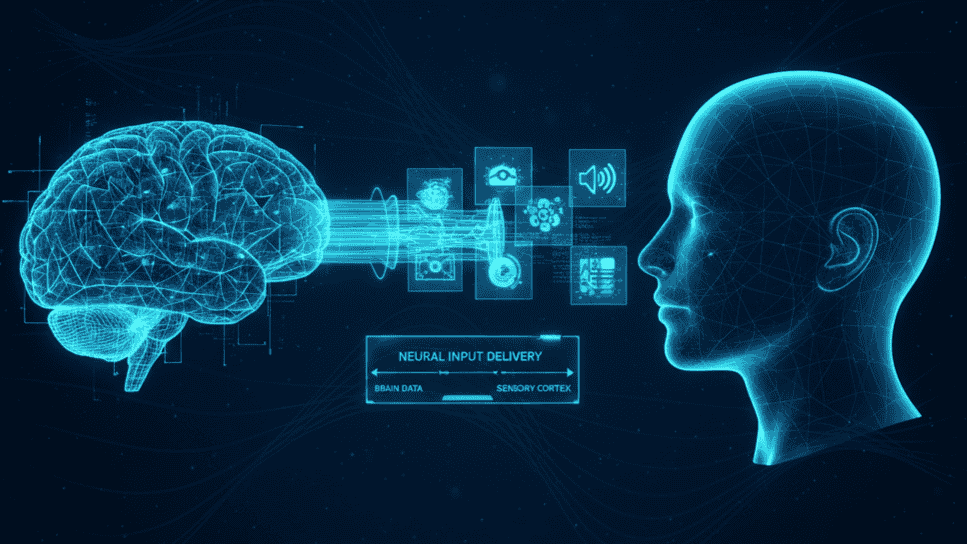
Whether Neuralink can write to the brain through stimulation, what Blindsight is designed to do, and what is unknown.
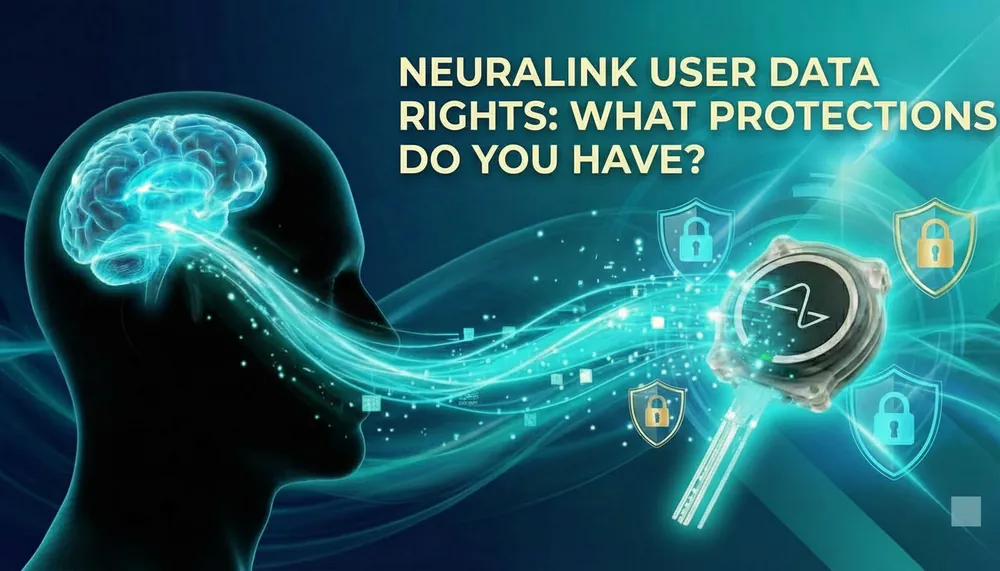
What rights Neuralink users have over their brain data under its privacy policy, trial consent forms, and state laws.
How fast Neuralink reads the brain: a record of 11.32 bits per second and a median of about 10 as of October 2026.
Neuralink's policy on transferring and selling brain data, who receives trial data, and what the company has not said.
Who can see Neuralink data at each stage, from the patient registry and surgery to training and long-term research.
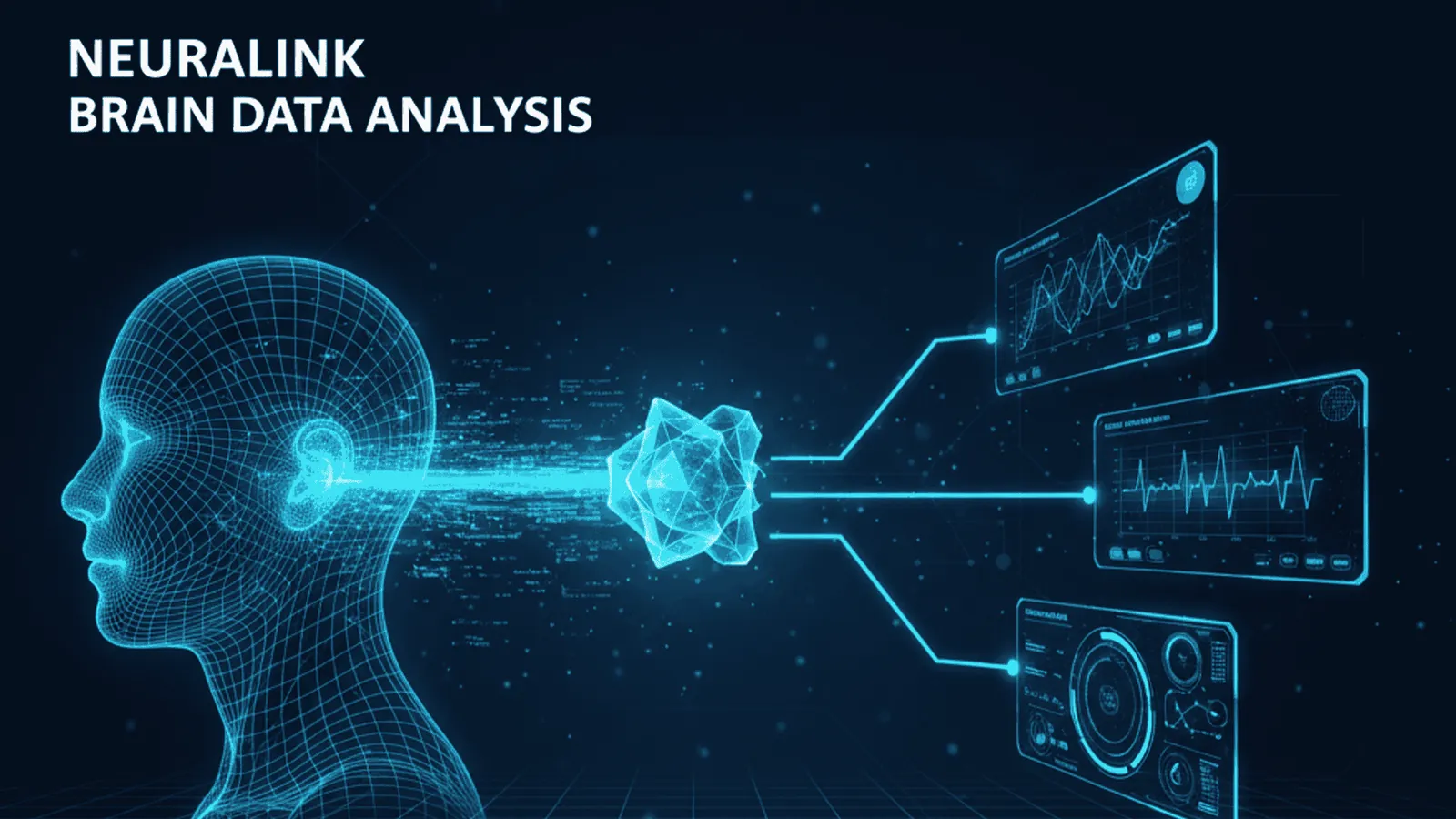
What data Neuralink's implant collects, how it is processed on the chip, and how trial consent and privacy rules apply.
How Neuralink processes, stores, and deletes brain data, and what its privacy policy says about trial participants.
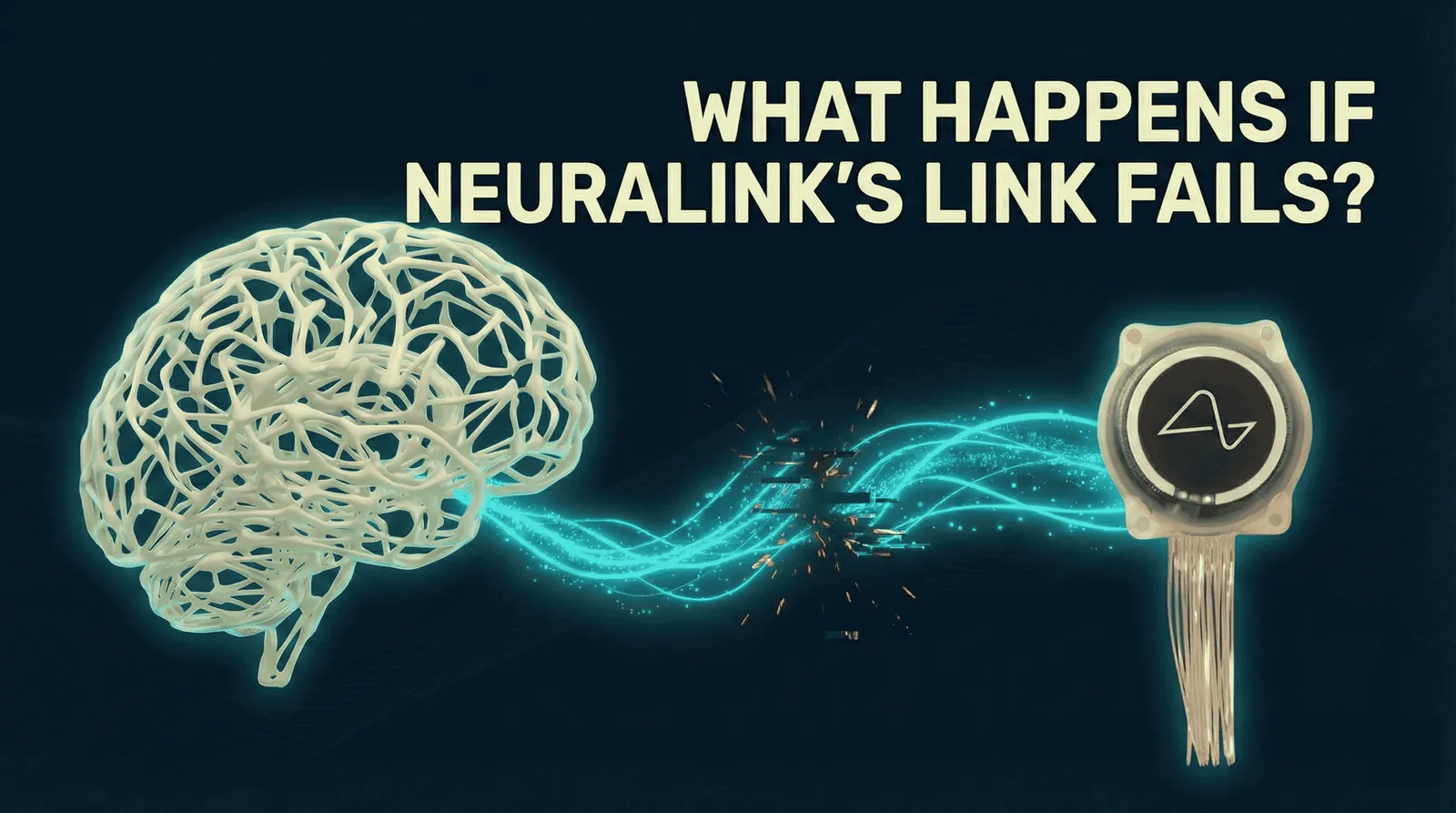
What happens when part of a Neuralink implant stops working, based on the first patient's thread retraction.
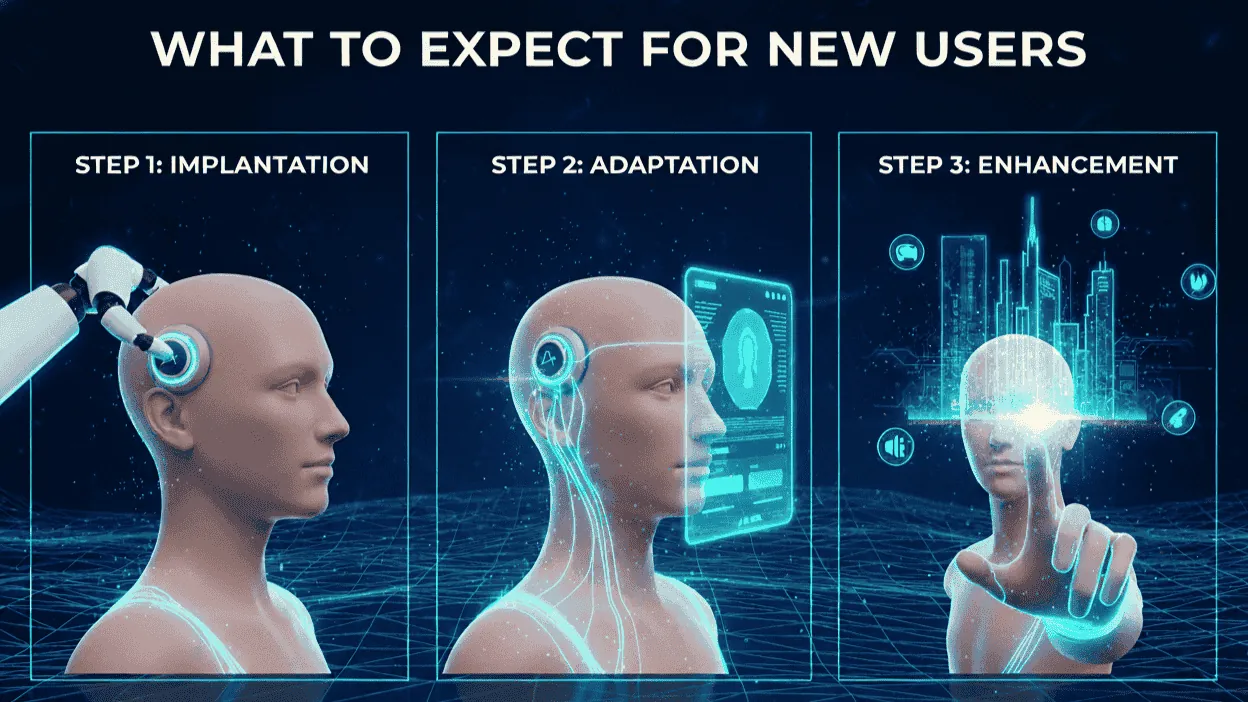
What new Neuralink users can expect: cursor control in the first sessions, then skills that build over weeks and months.
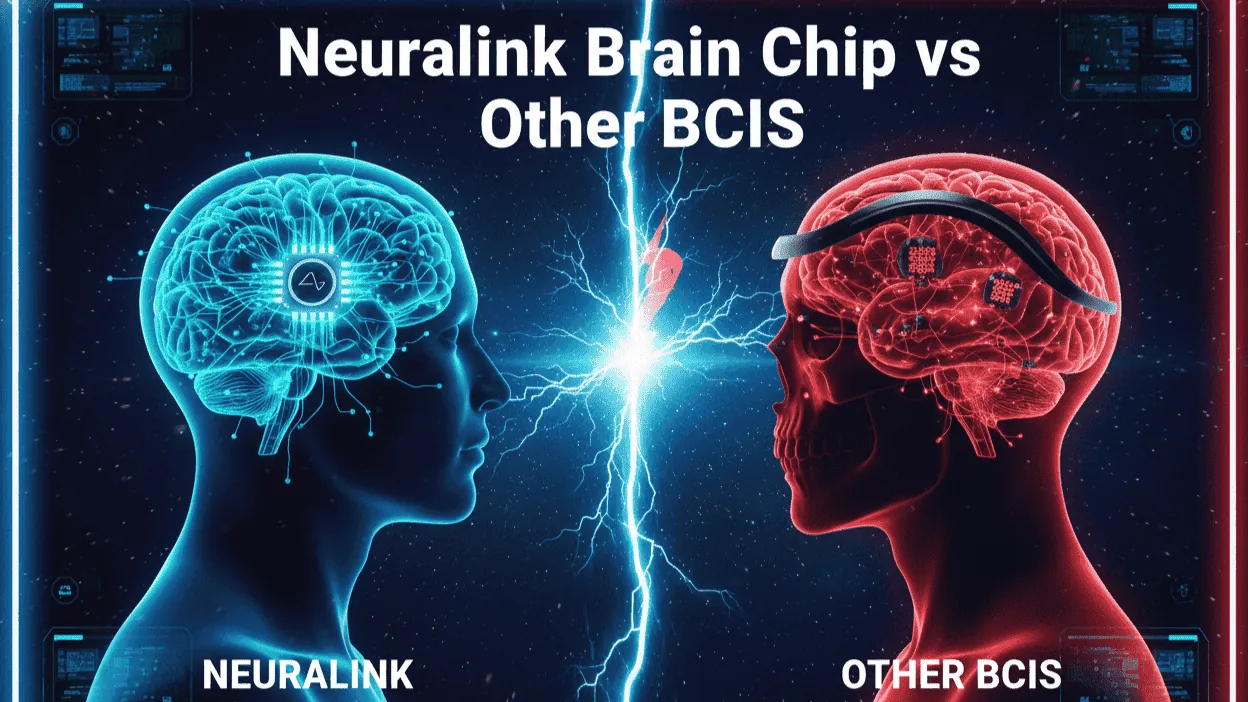
How Neuralink's N1 compares with Synchron, Blackrock, Paradromics, and Precision on electrodes, surgery, and speed.
Why critics have questioned Neuralink's animal testing, FDA reviews, and transparency, and how the company responded.
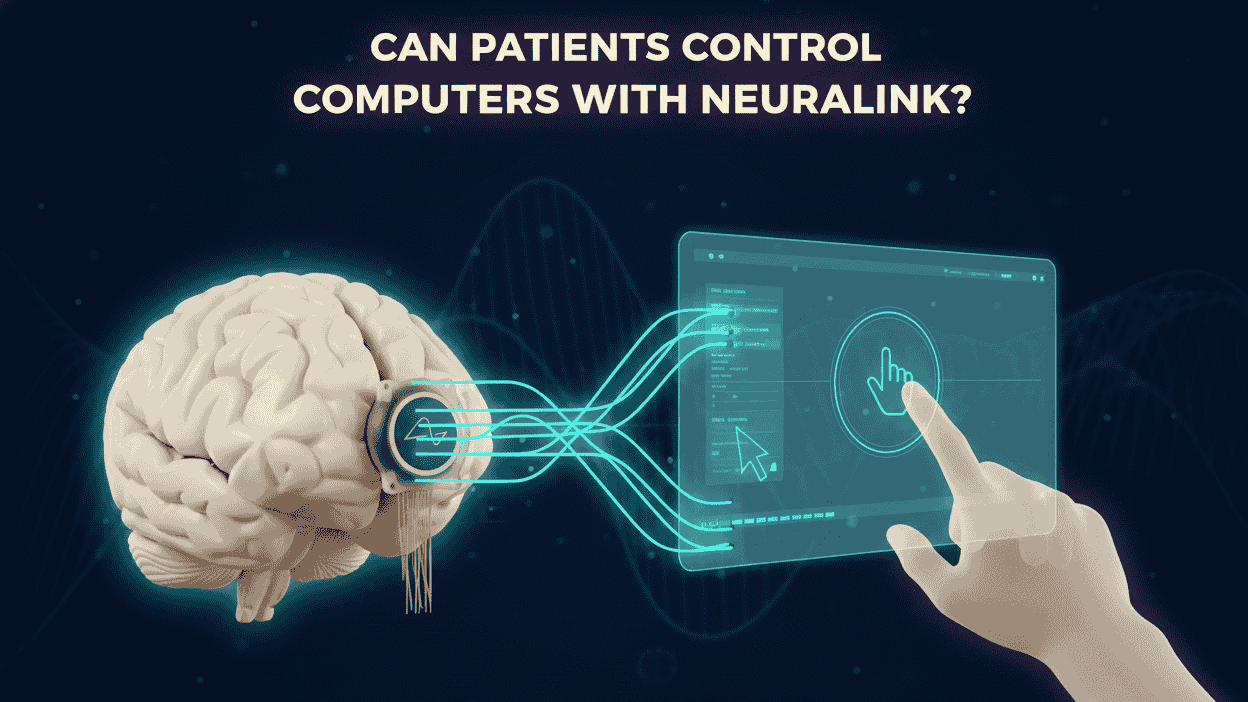
Real examples of Neuralink patients controlling computers by thought, from Noland Arbaugh to UK patient Paul.
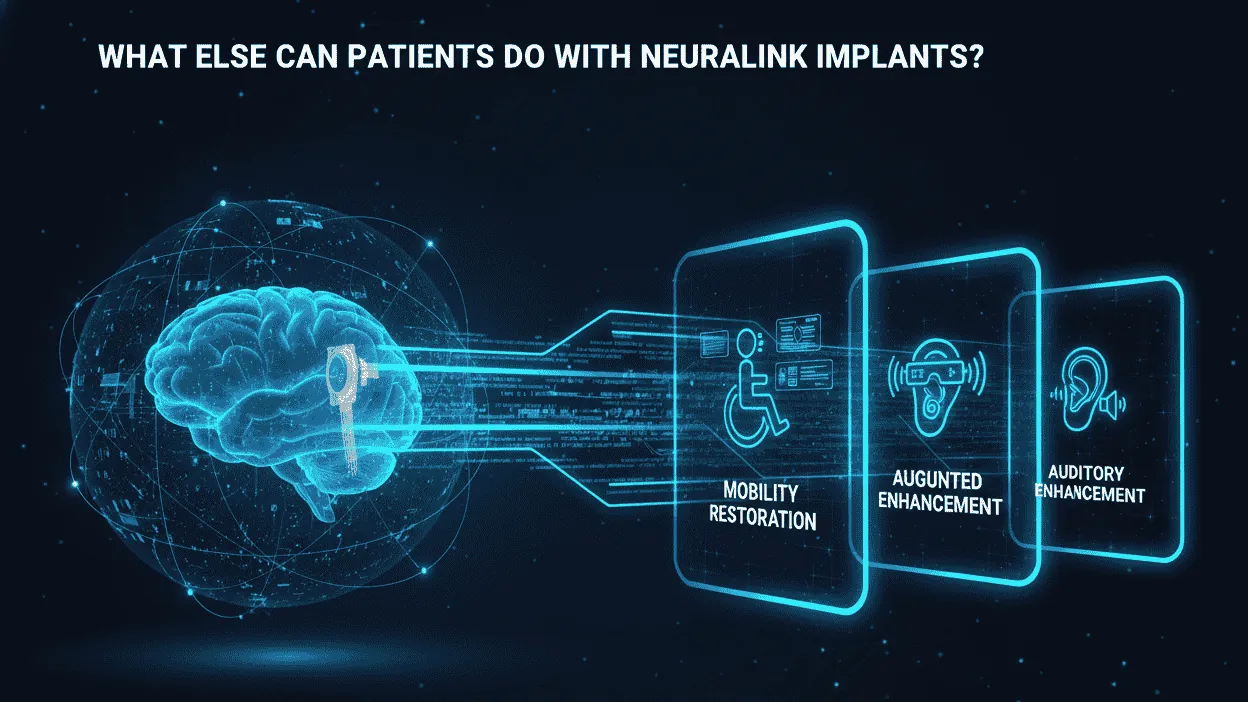
What Neuralink patients can do with their implants: computer control, gaming, robotic arms, study, and, since 2026, speech.
The evidence that Neuralink's implants work, from Noland Arbaugh's daily use to UK patient Paul's control after surgery.
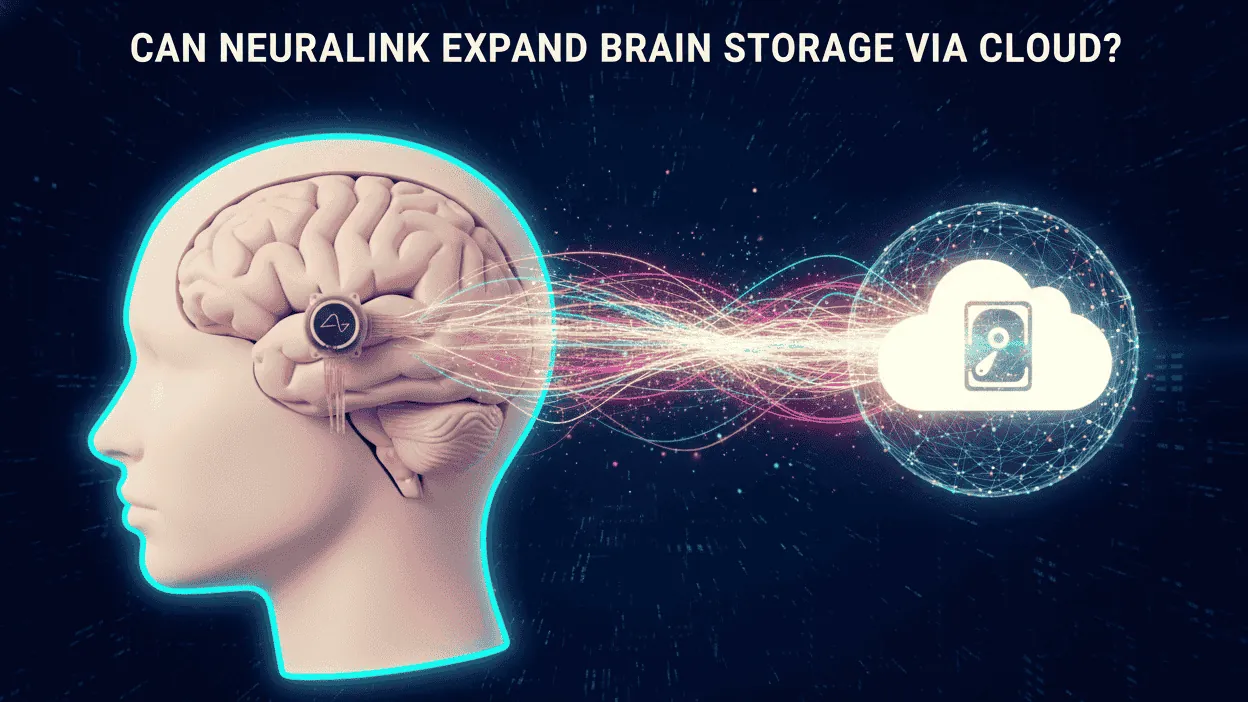
Whether Neuralink could ever expand memory with cloud storage, and why today's implant cannot reach memory regions.
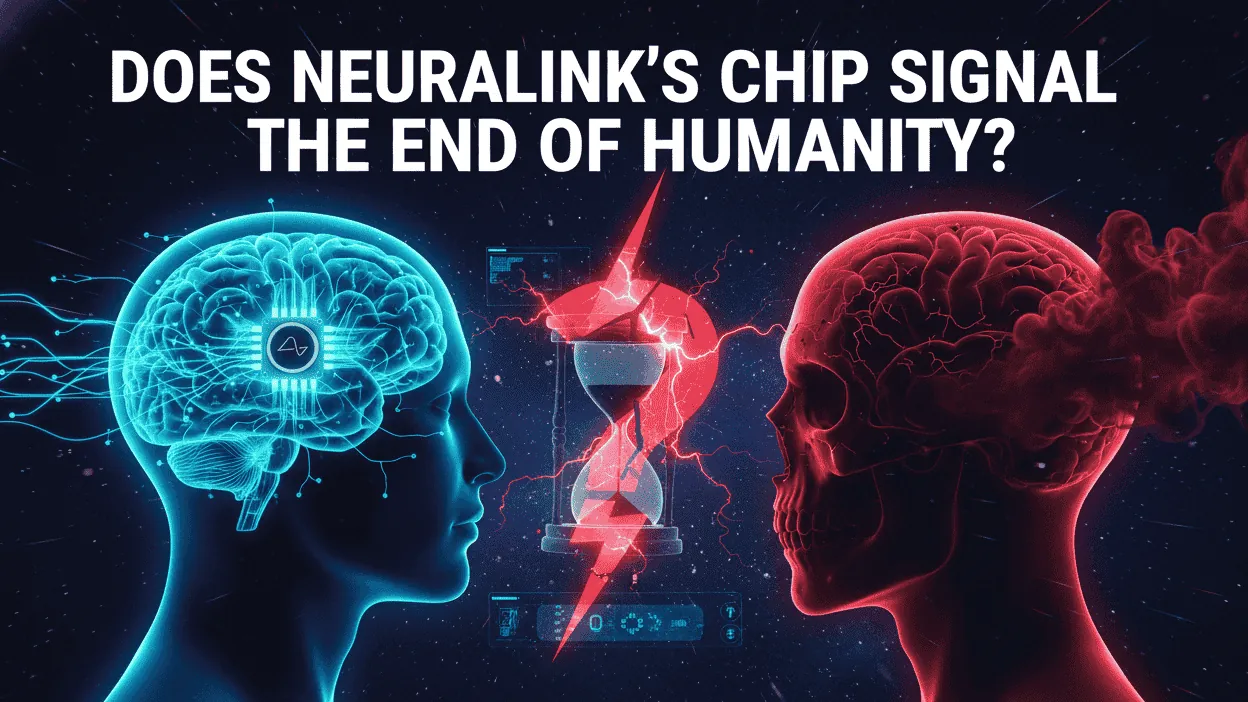
The debate over whether brain chips threaten humanity, Elon Musk's case for Neuralink, and what the trials show.
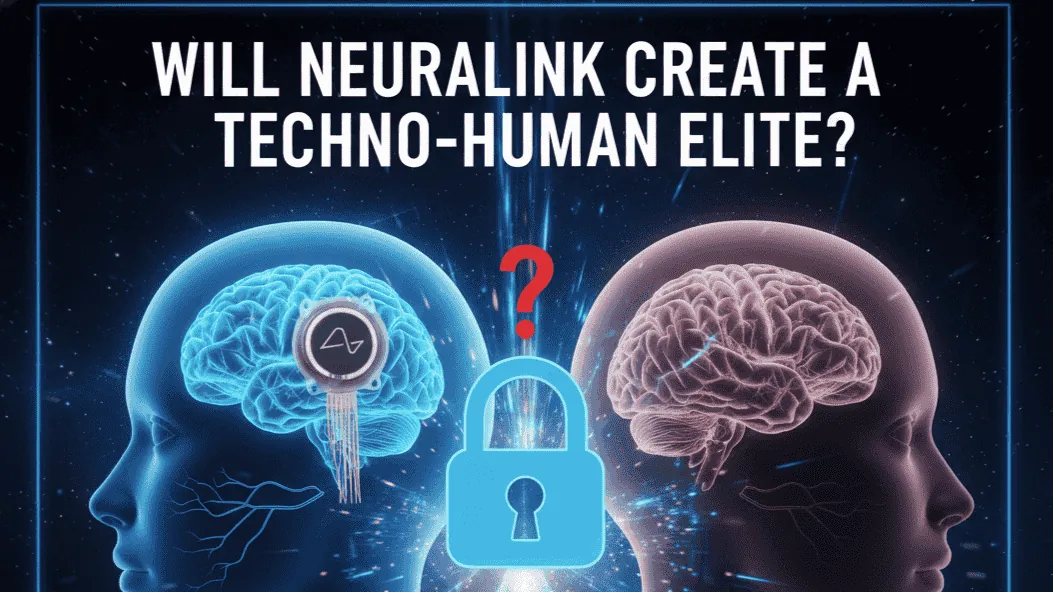
Whether Neuralink could create an enhanced elite, what Elon Musk has said about access, and what critics worry about.
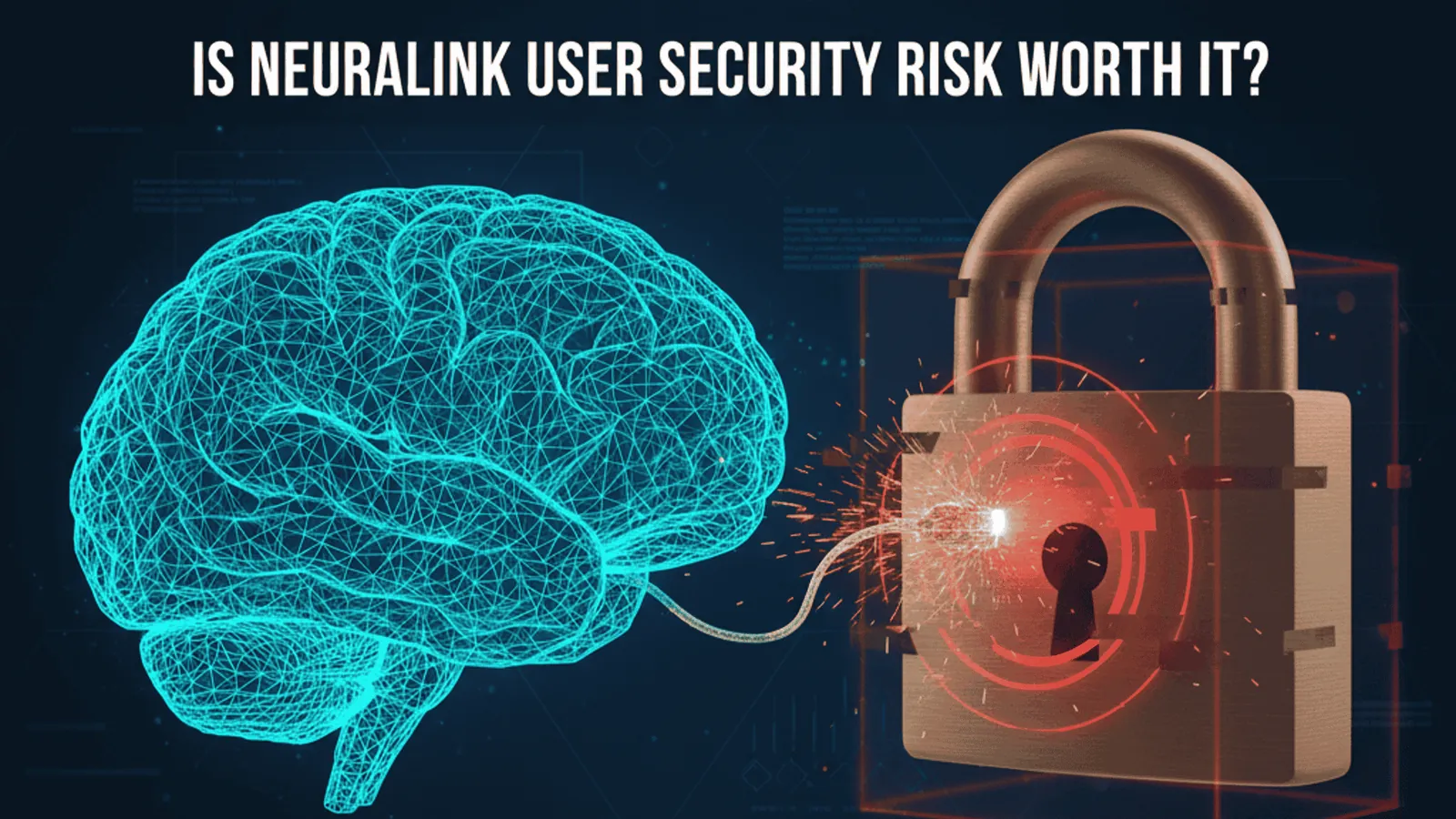
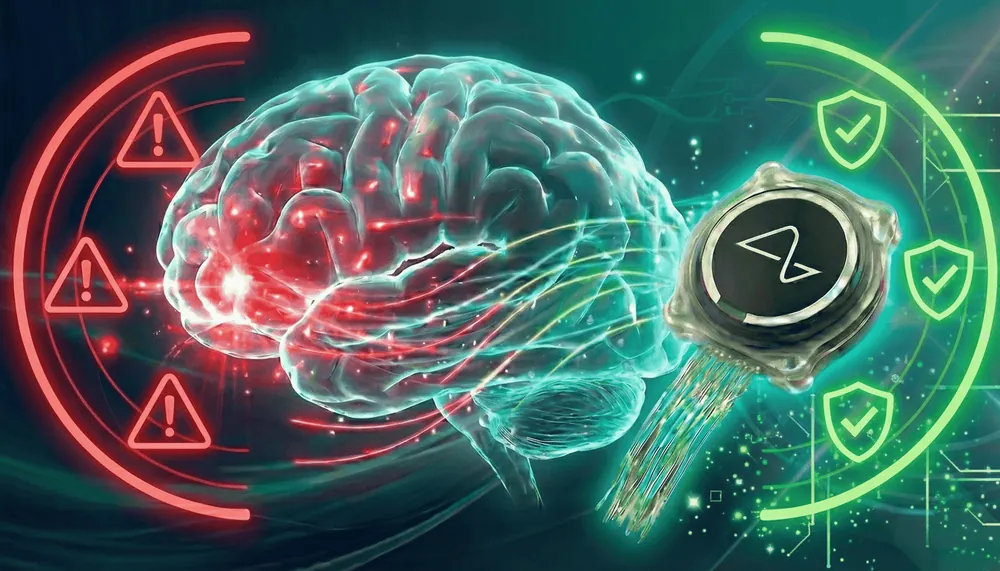
The benefits of a Neuralink implant weighed against its security and privacy risks, using what Neuralink has published.
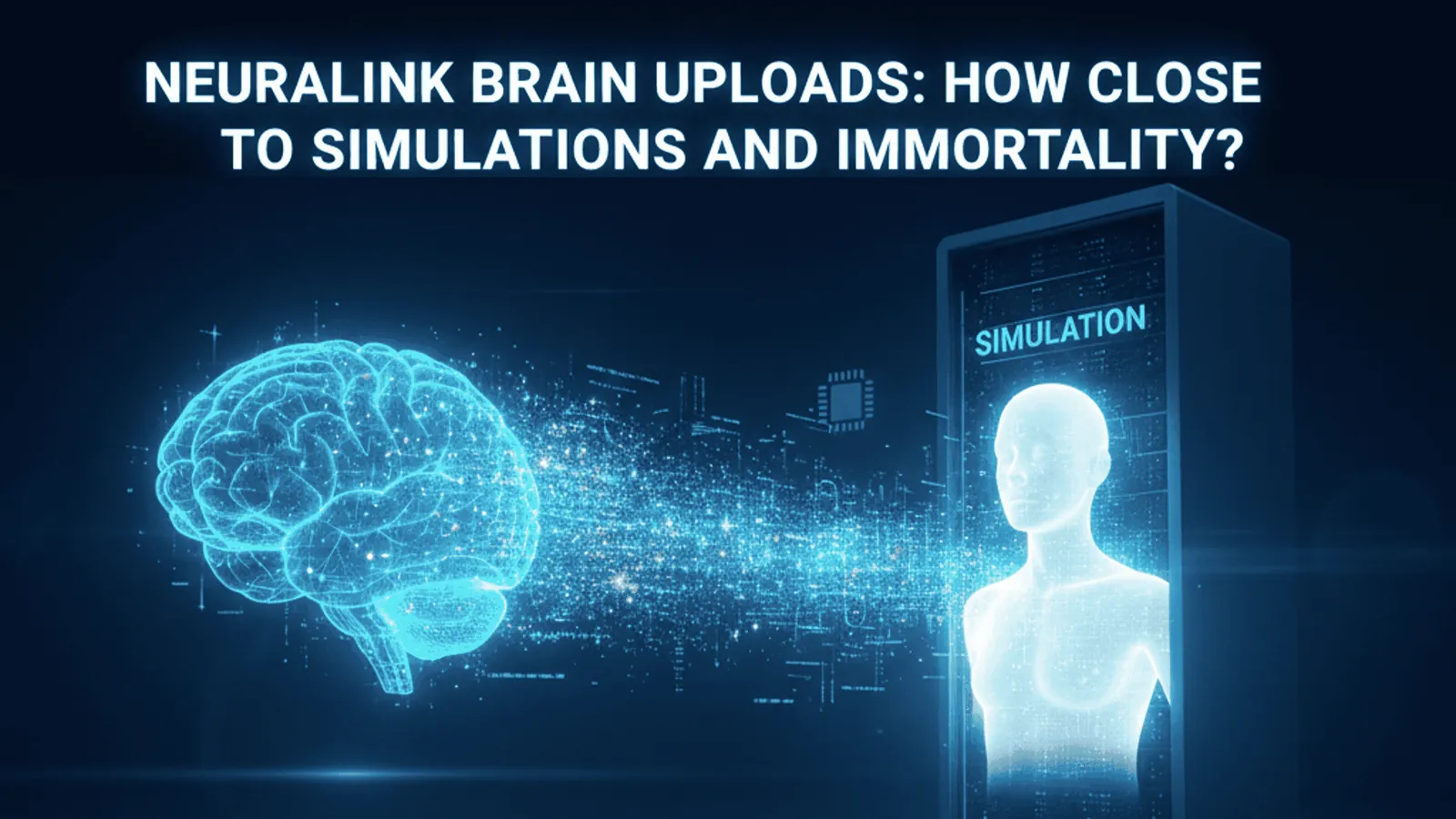
How far Neuralink's implant is from brain uploads, what its simulations do, and what Elon Musk has said about immortality.
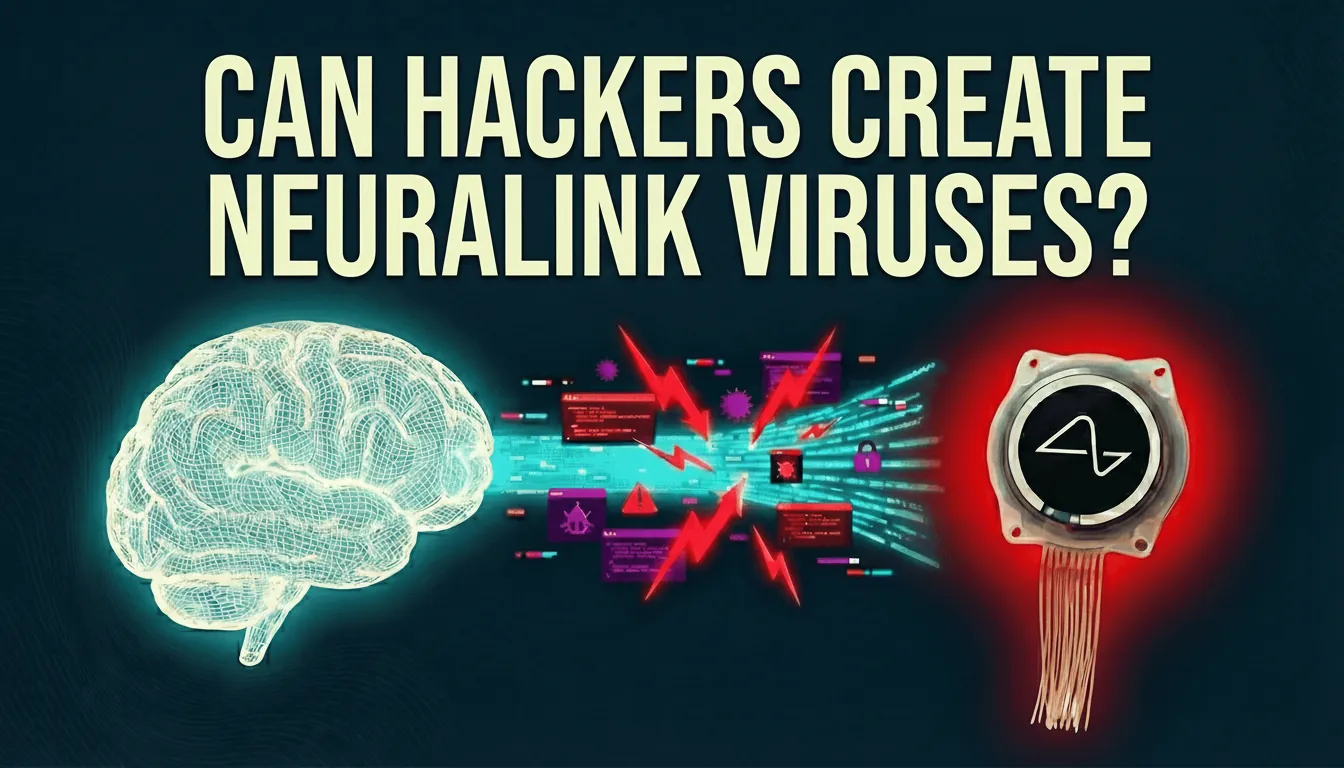
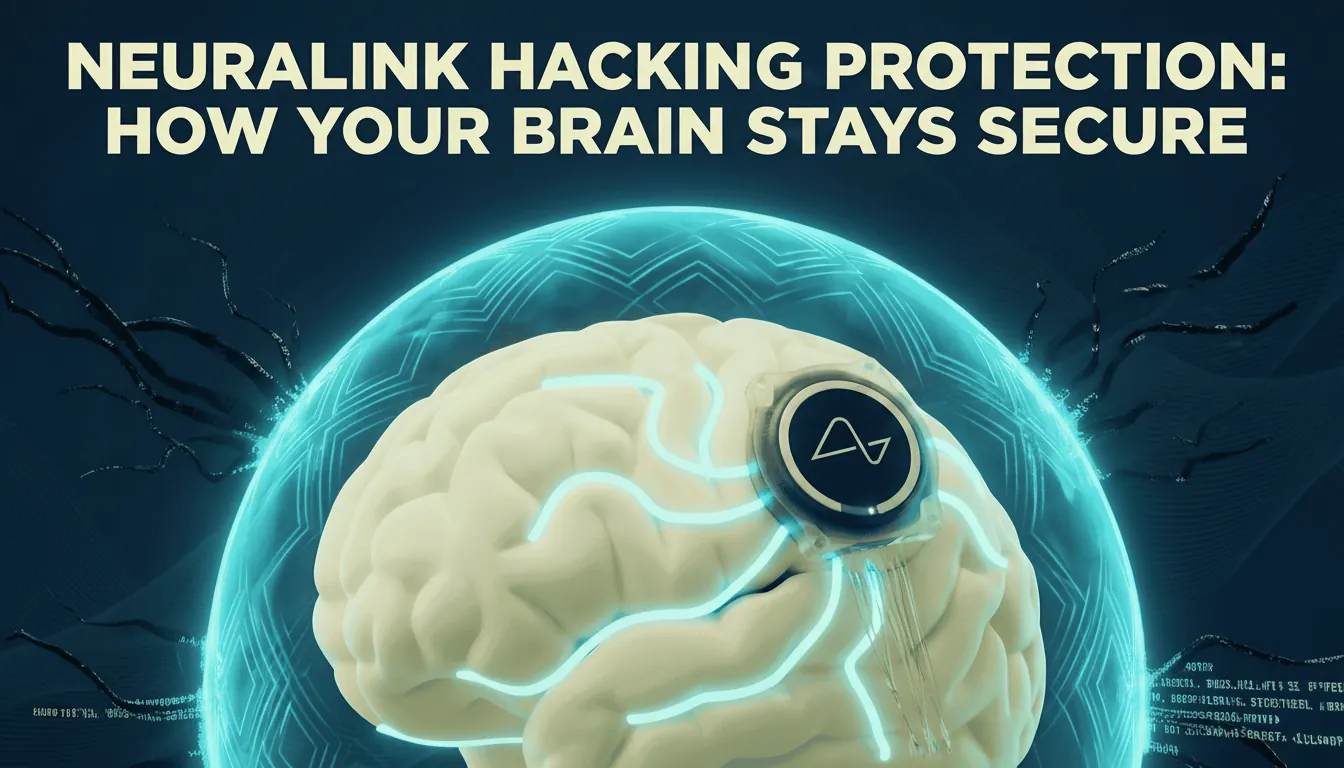
How hard it would be to hack a Neuralink implant, what Neuralink has published about security, and what it has not.
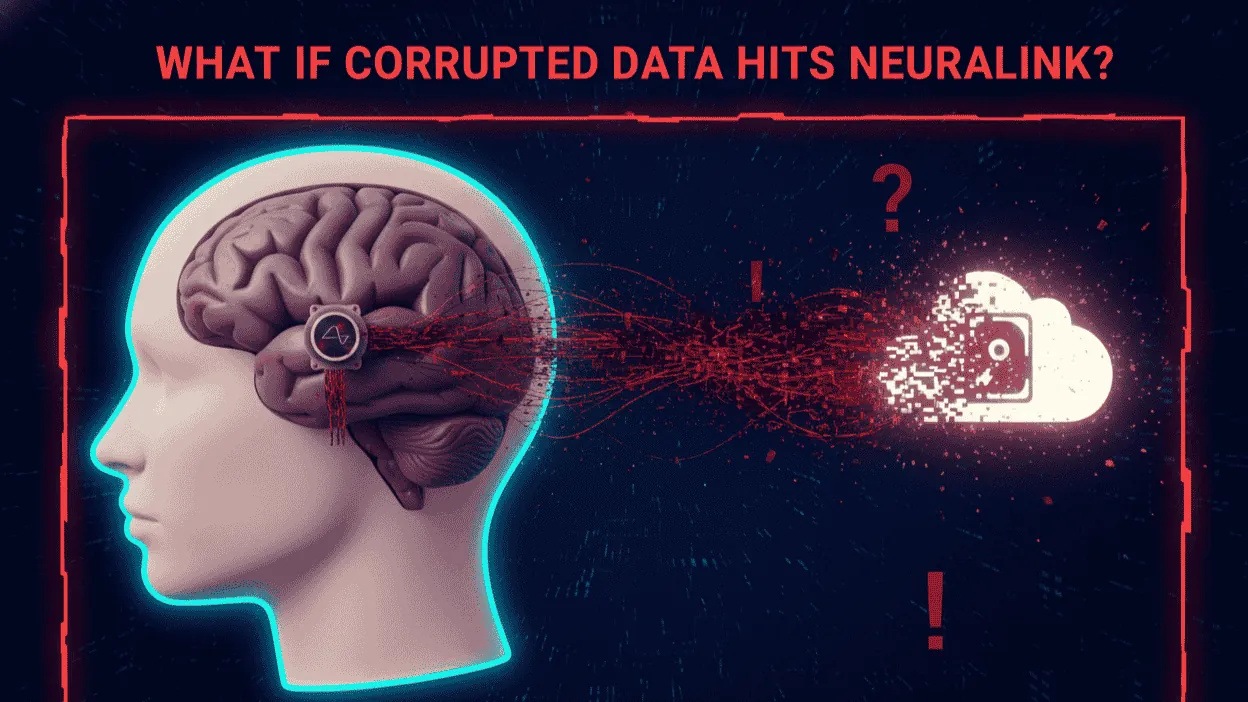
How Neuralink's implant copes with corrupted or lost signals, from thread retraction to wireless interference.
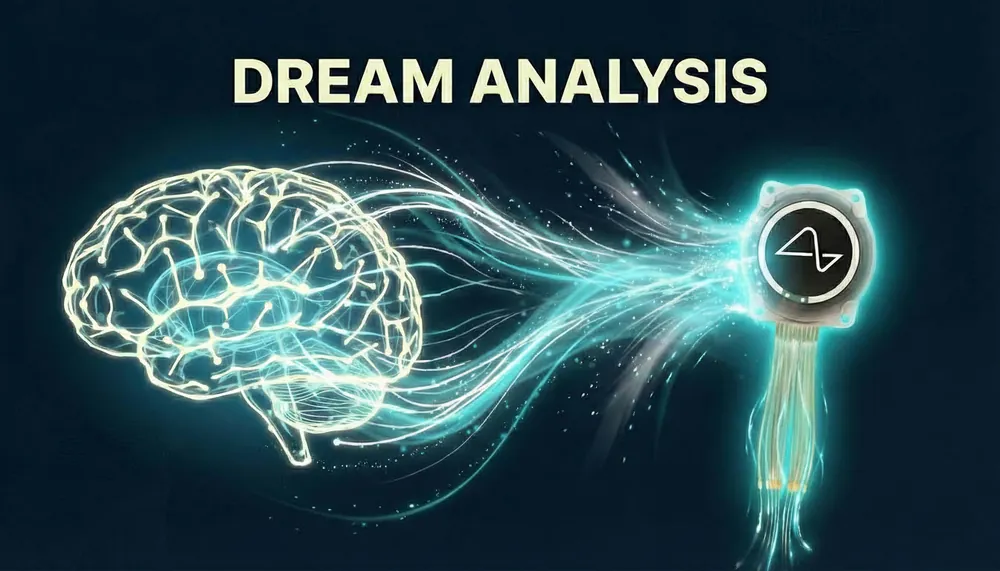
What Neuralink's implant can and cannot record today, and what dream or meditation uses would require.
What is known about a Neuralink device for healthy people. The company has not announced a date for one.
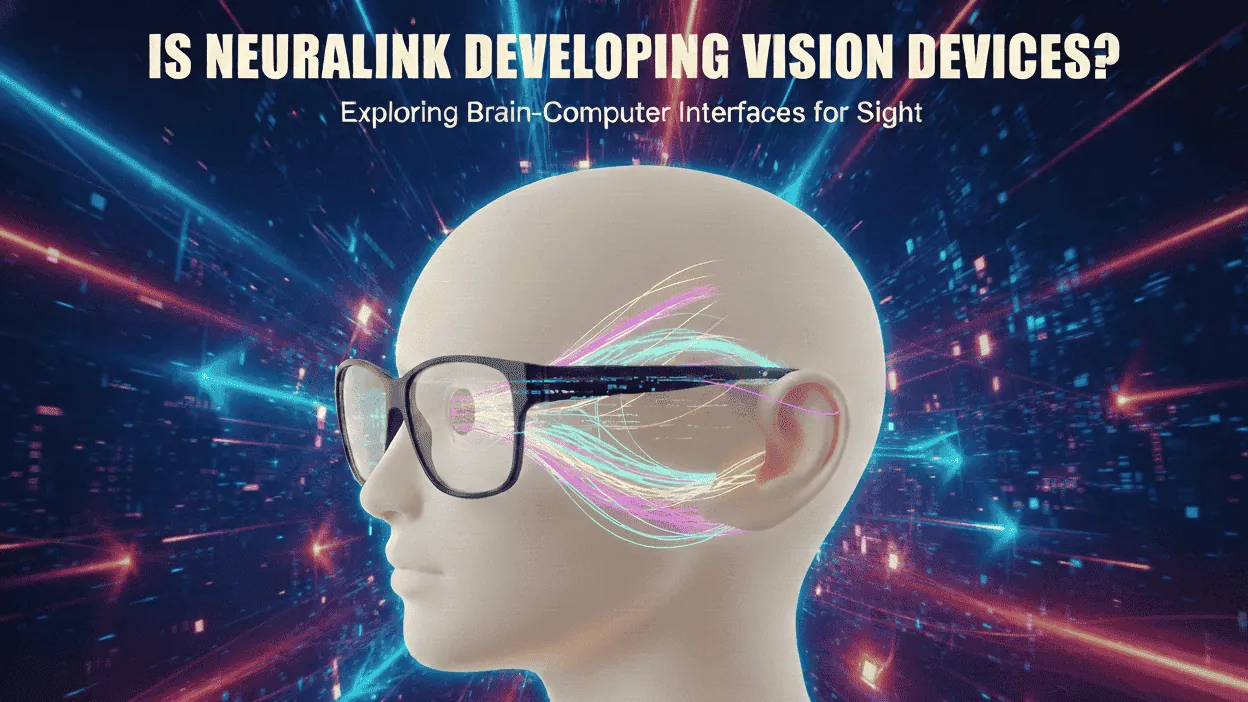
Where Neuralink's Blindsight vision implant stands, how it would work, and how it differs from eye prosthetics.
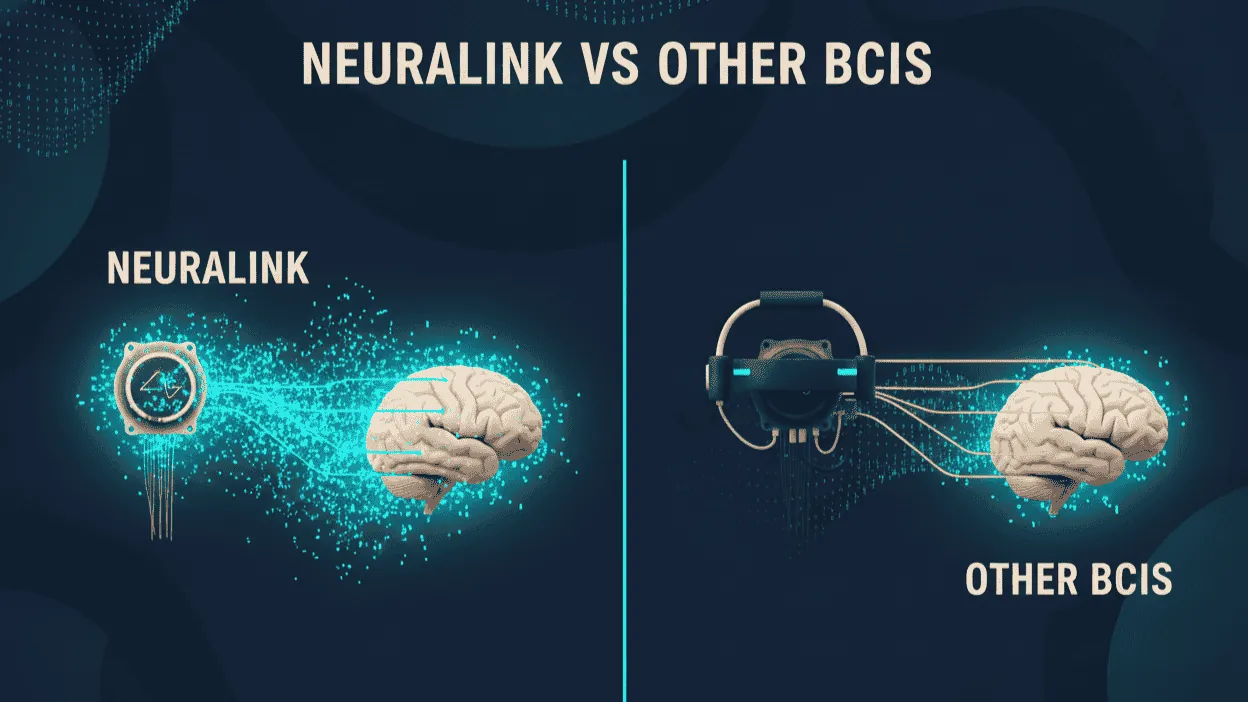
How Neuralink compares with Synchron, Blackrock, Paradromics, and Precision on channels, surgery, and speed.
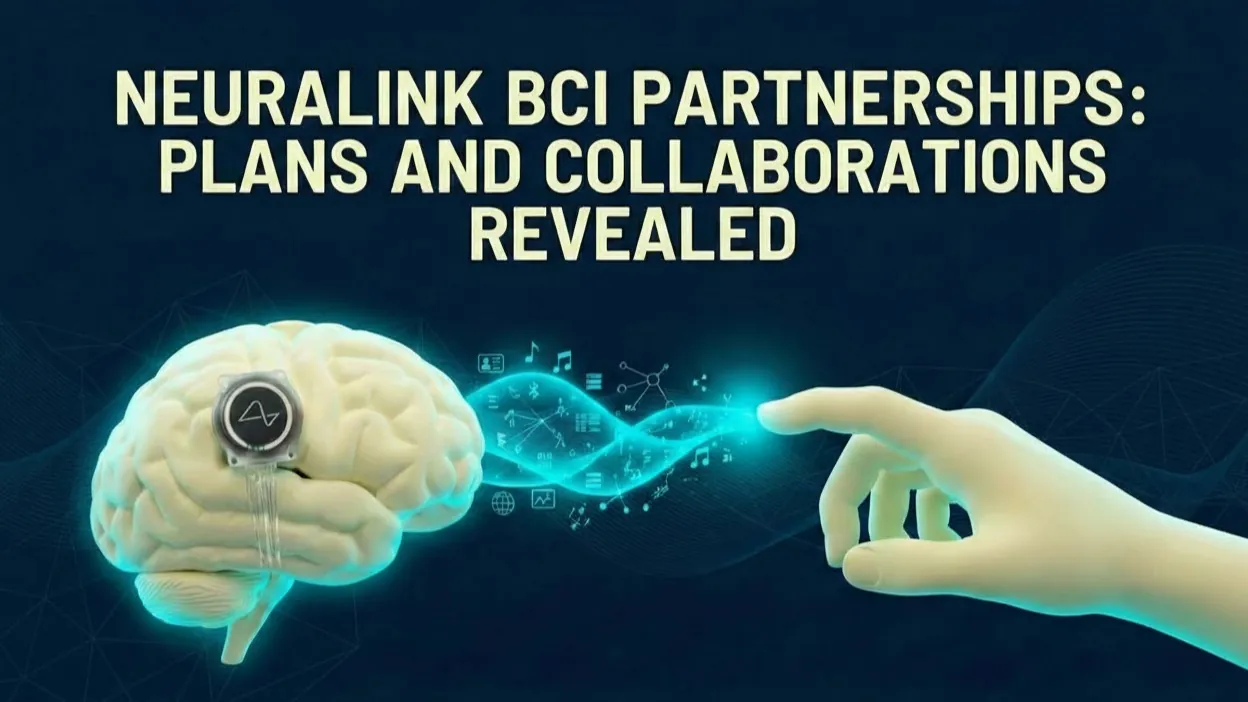
Neuralink's trial partners in the US, Canada, the UK, and the UAE, and where each site stands as of October 2026.
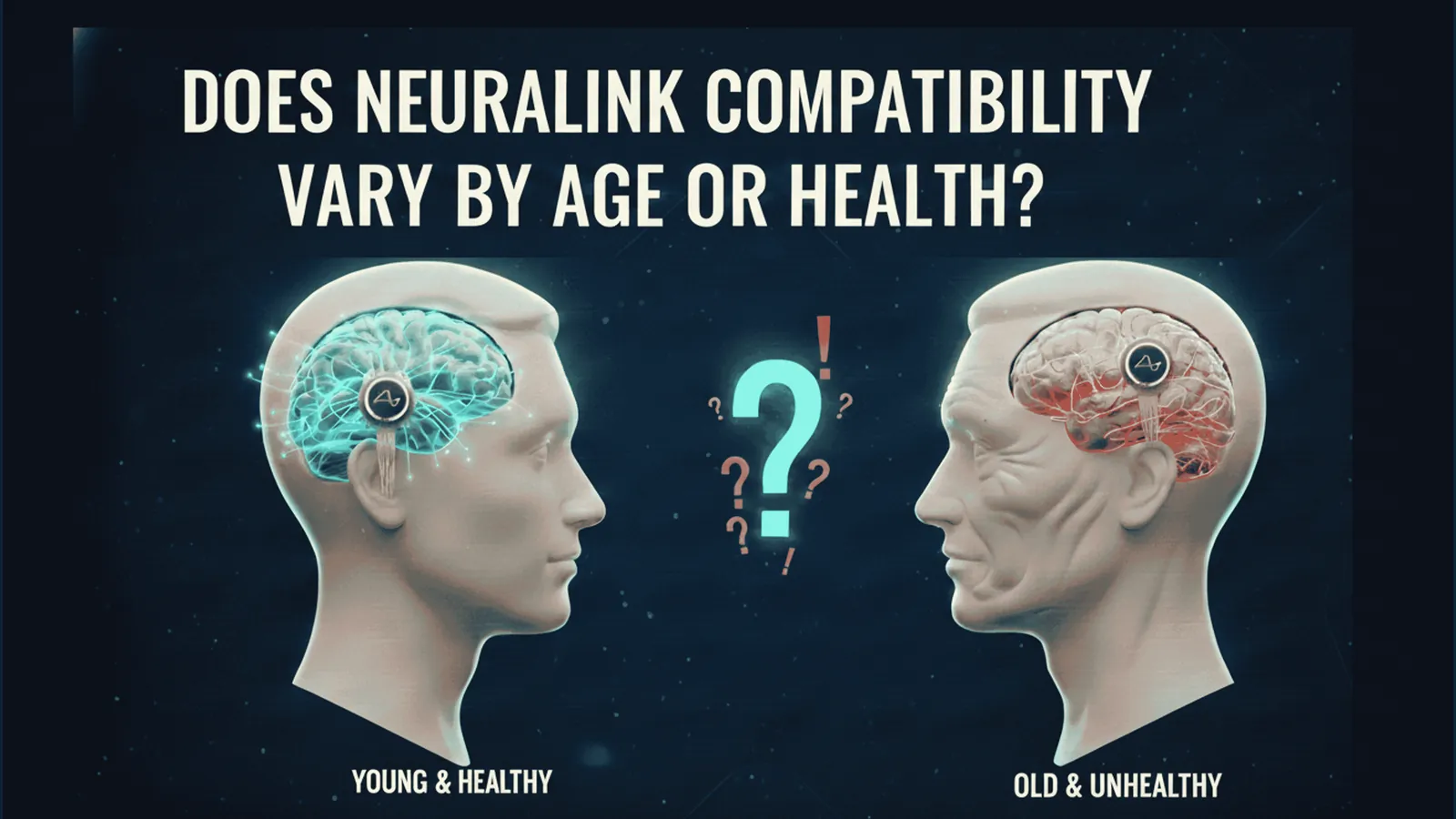
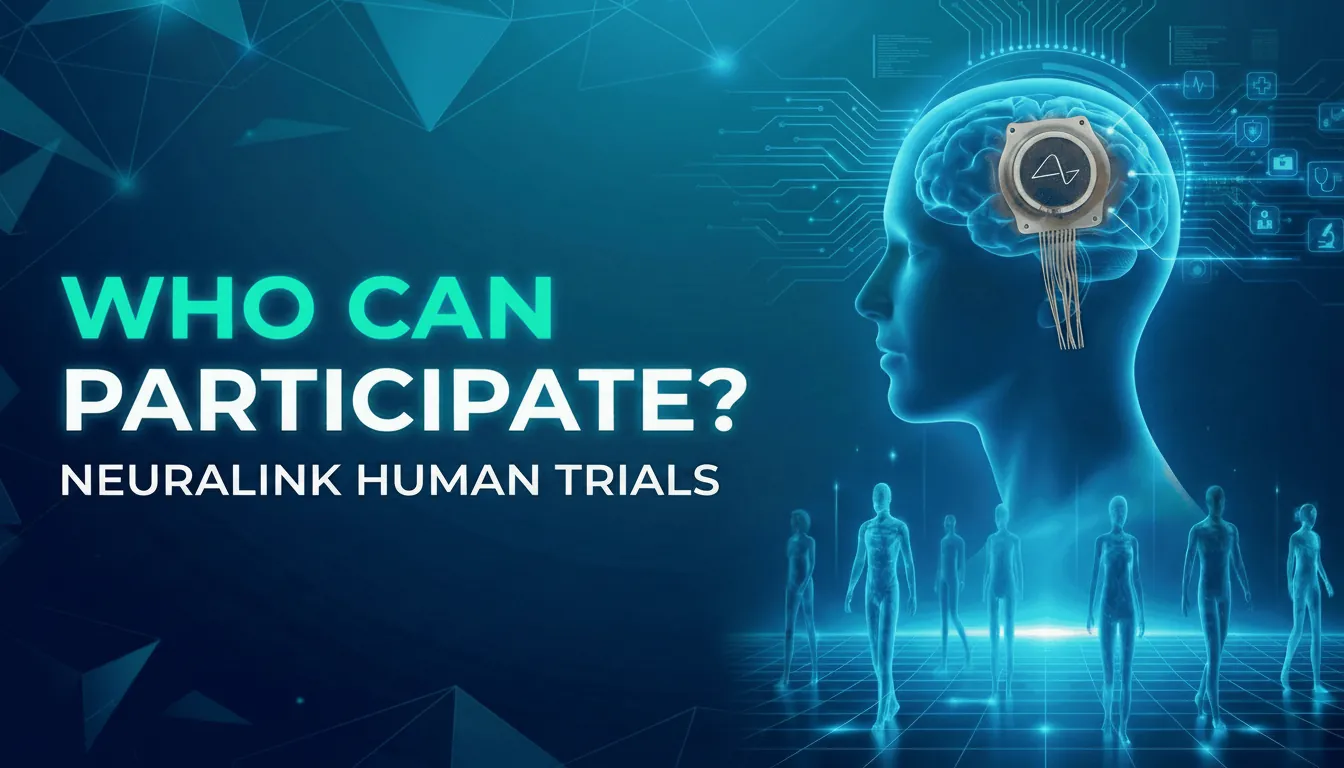
Who qualifies for Neuralink's trials by age and health, from the 22 to 75 age range to the main medical exclusions.
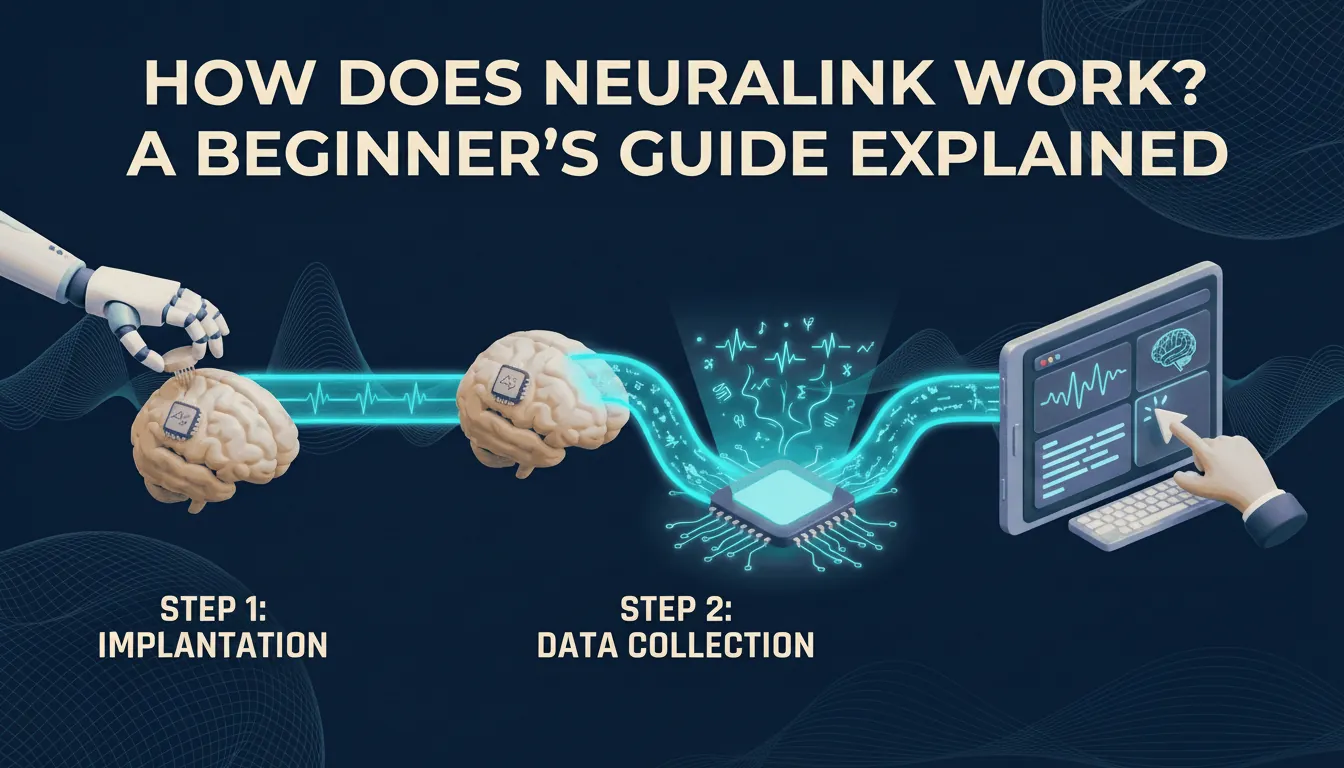
How Neuralink turns raw brain signals into cursor control: recording, spike detection, decoding, and calibration.
How Neuralink's Blindsight implant is designed to restore a basic form of vision. Human trials have not started yet.
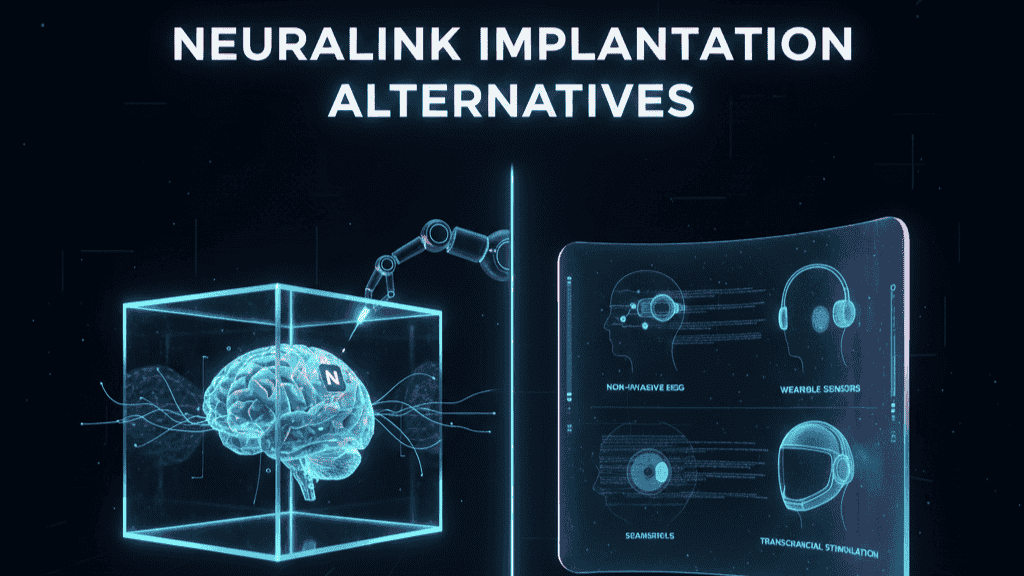
How other brain-computer interfaces are implanted, from Synchron's vein-delivered stent to Precision's surface film.
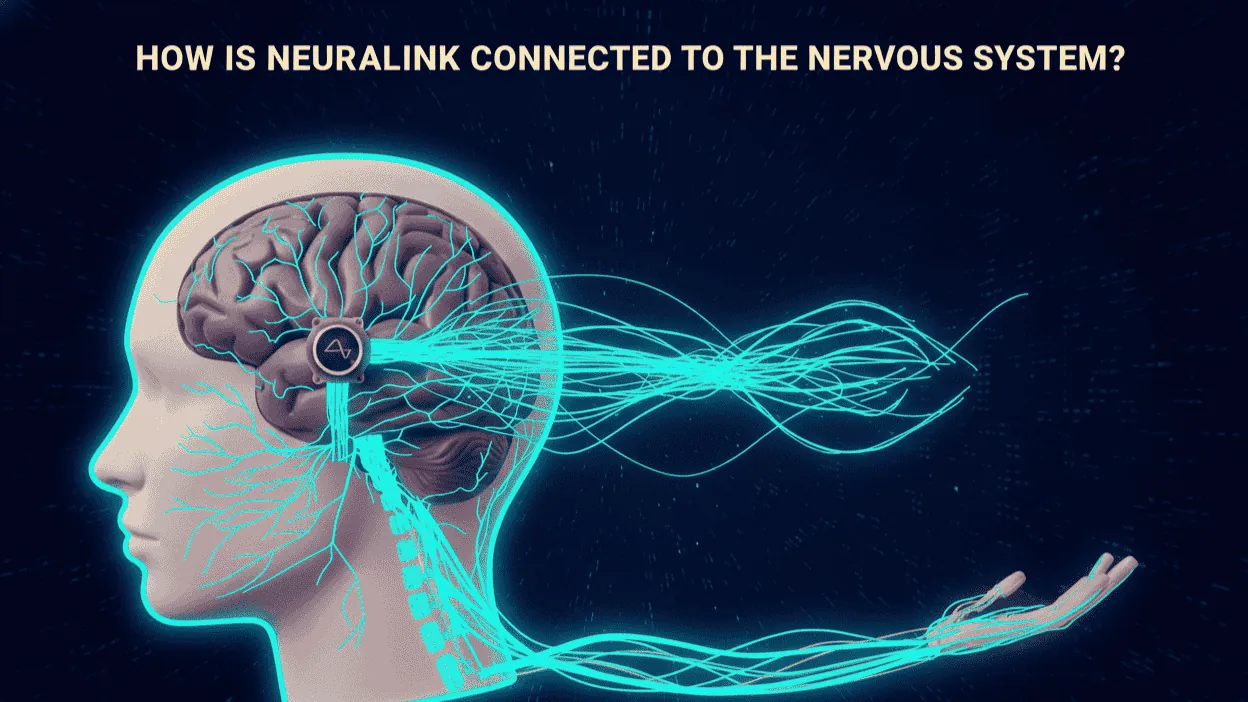
How Neuralink's threads, electrodes, and R1 robot connect the implant to neurons in the motor cortex.
Who can join Neuralink trials, how compensation works (study-related costs, not a salary), and how to apply.
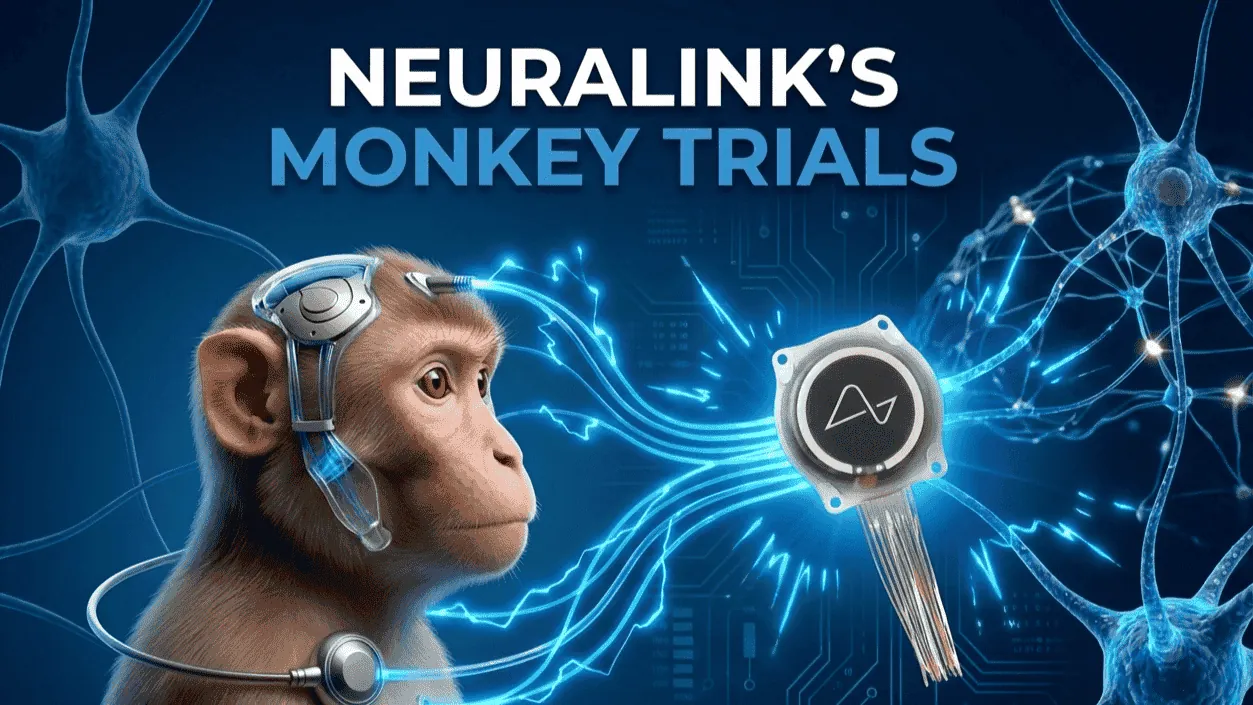
What Neuralink's pig, sheep, and monkey trials showed, the criticism they drew, and how they led to human trials.
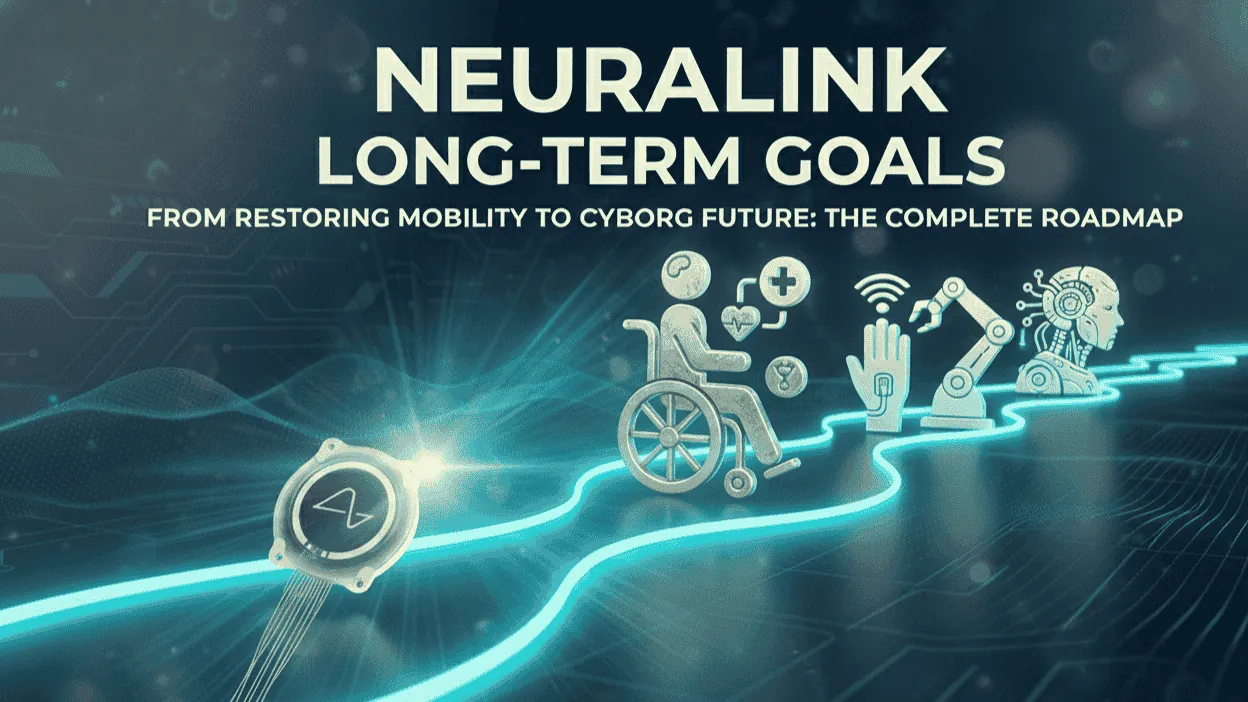
Neuralink's goals beyond medicine as Elon Musk describes them: AI symbiosis, telepathy, Blindsight, and robot control.
No official consumer list price. PRIME devices investigational, not for sale. Study-related travel costs may be covered.
Neuralink's implant count as of October 28, 2025: 13 people, 10 in the US, 2 in Canada, and 1 in the UK.
How Neuralink's PRIME study works: who can join, how the implant is placed, results so far, and the path to approval.
How Noland Arbaugh became the first Neuralink patient on January 28, 2024, and what he has done with the implant since.
The main criticisms of Neuralink, from animal testing and FDA reviews to staff concerns and privacy, and how it responded.
The conditions Neuralink's implant targets: paralysis from spinal cord injury or ALS, severe speech loss, and blindness.
What Elon Musk has said about using Neuralink to boost intelligence and senses, and what trials show so far.
Neuralink is in clinical trials for eligible patients and is not sold to the public. No approval date has been announced.
What Neuralink's implant can do in 2026, from typing and robotic arms to speech, and what the company plans next.
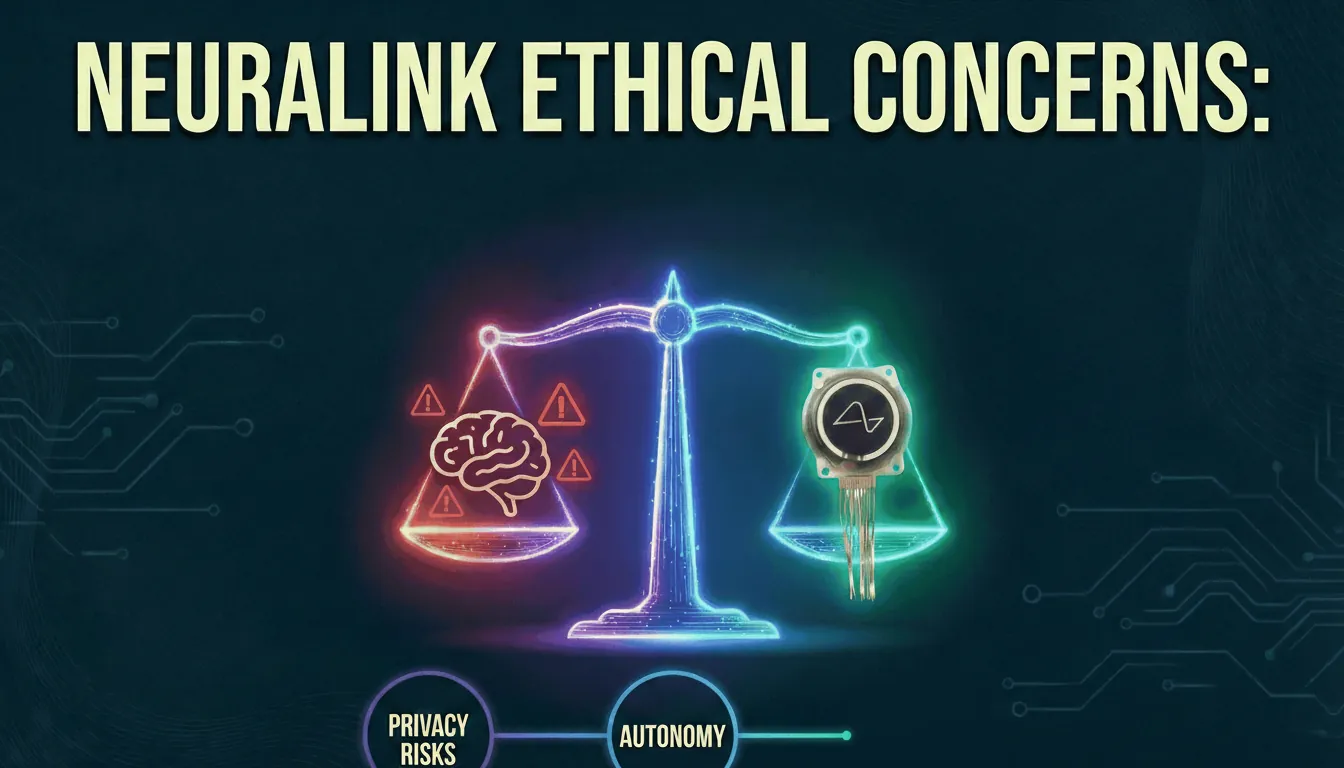
The main ethical questions around Neuralink: animal testing, consent in human trials, brain data privacy, and safety.
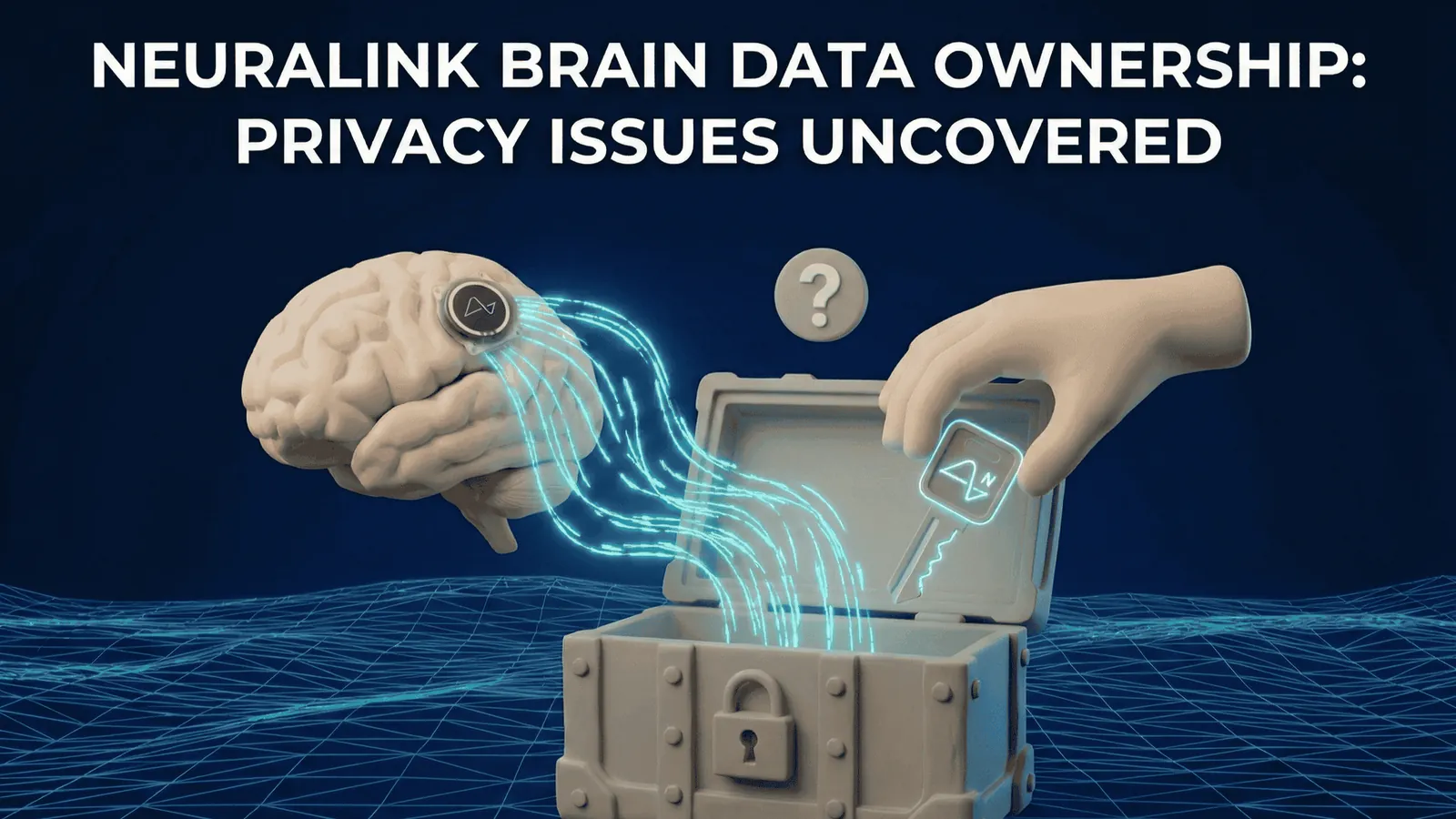
Who owns Neuralink brain data, what trial participants consent to, and which U.S. neural privacy laws apply.
What Neuralink's trials show about safety so far, from surgery and thread retraction to data security, with sources.
How Neuralink says it protects the N1 implant: a patented pairing system, a sealed device, and FDA cybersecurity rules.
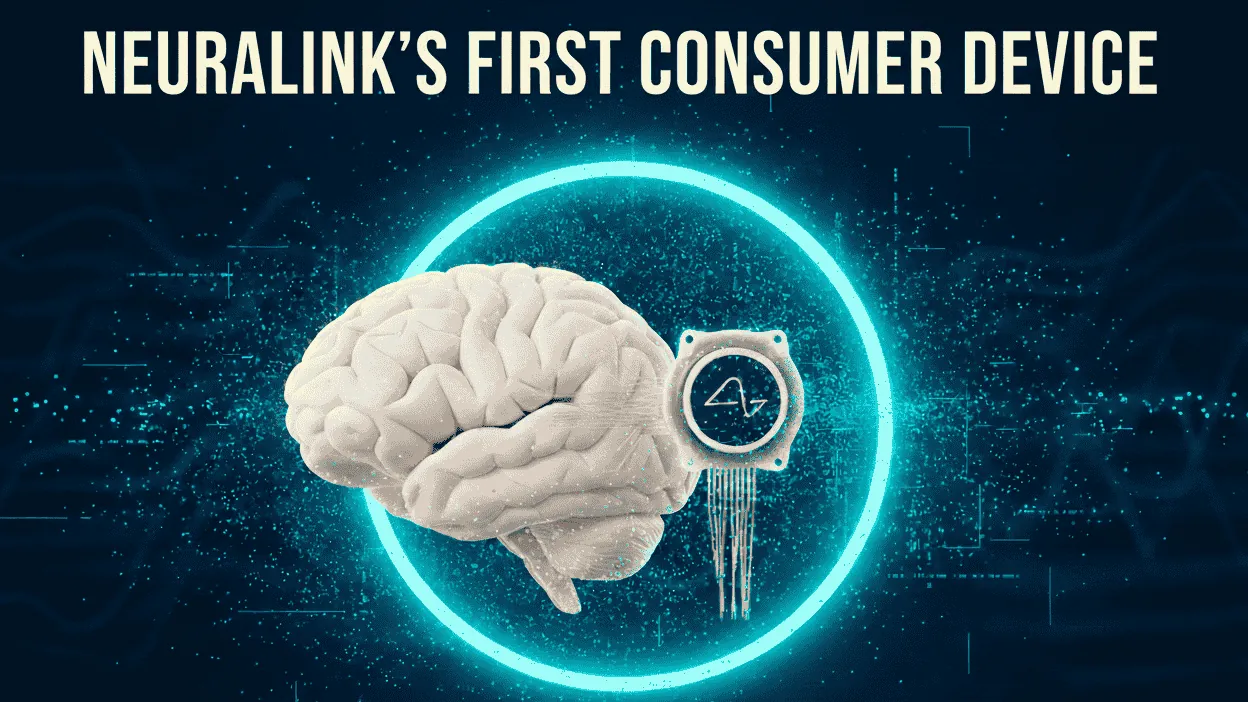
Neuralink's N1 implant uses 1,024 electrodes to read neural signals so people can control devices with thought.
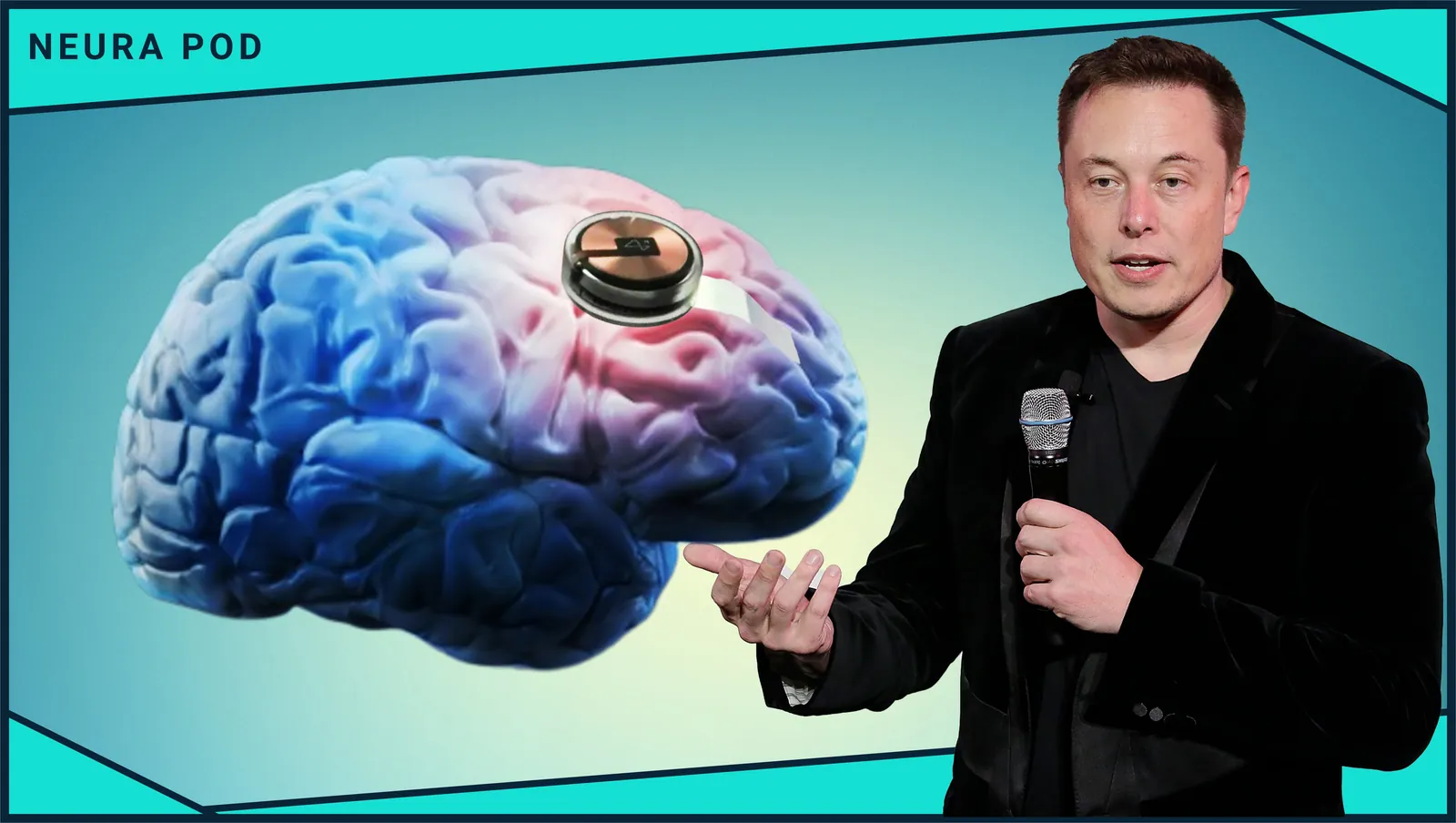
Elon Musk shared on Twitter that Neuralink will present a show & tell progress update on October 31st (Halloween).
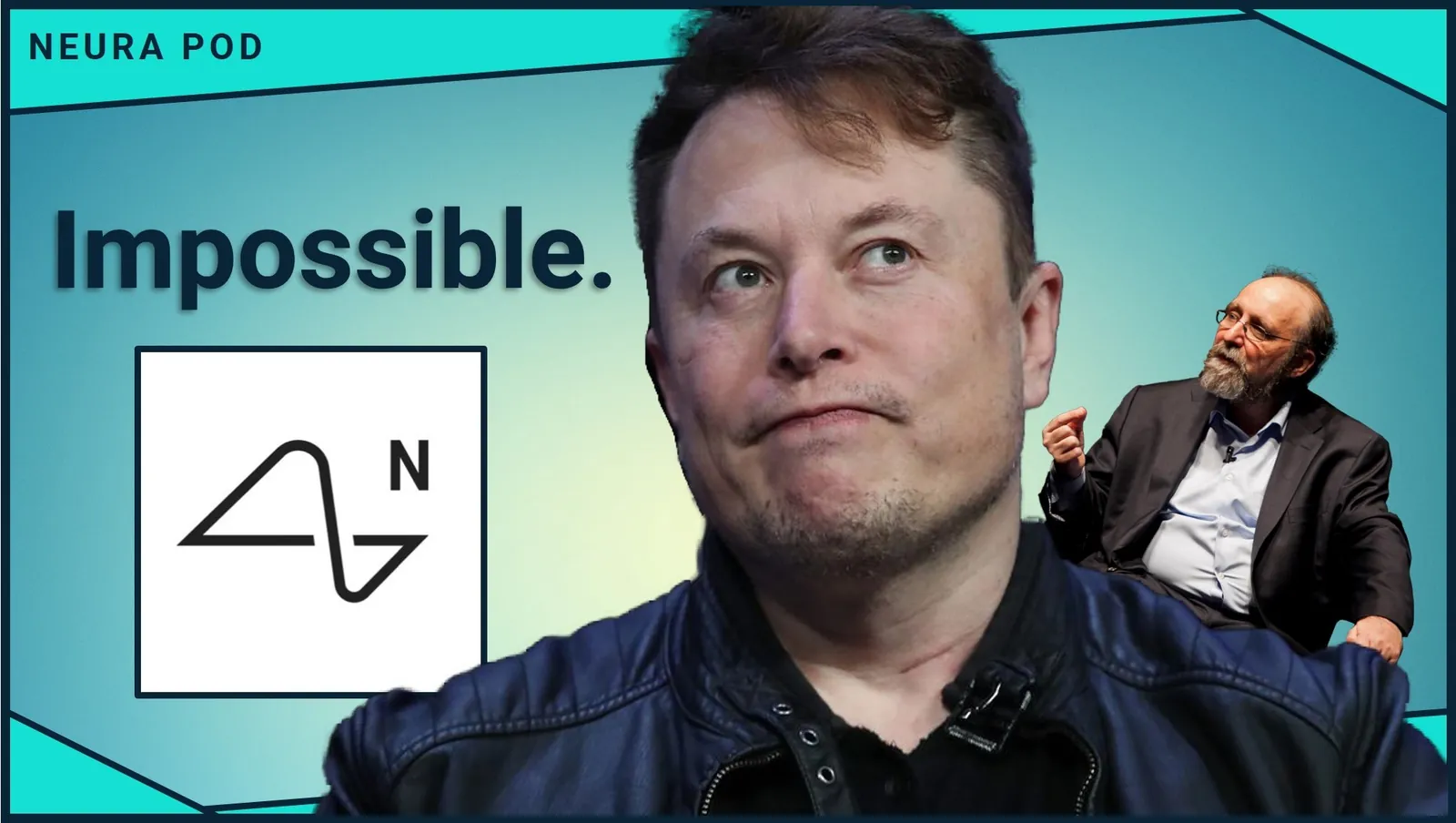
“MR. MUSK DOESN’T understand a bit of neuroscience and what is the brain,” Miguel Nicolelis tells Inverse.
Stay updated on the latest with Neuralink & Neura Pod.