
Does Neuralink's Chip Signal the End of Humanity? Debates Uncovered
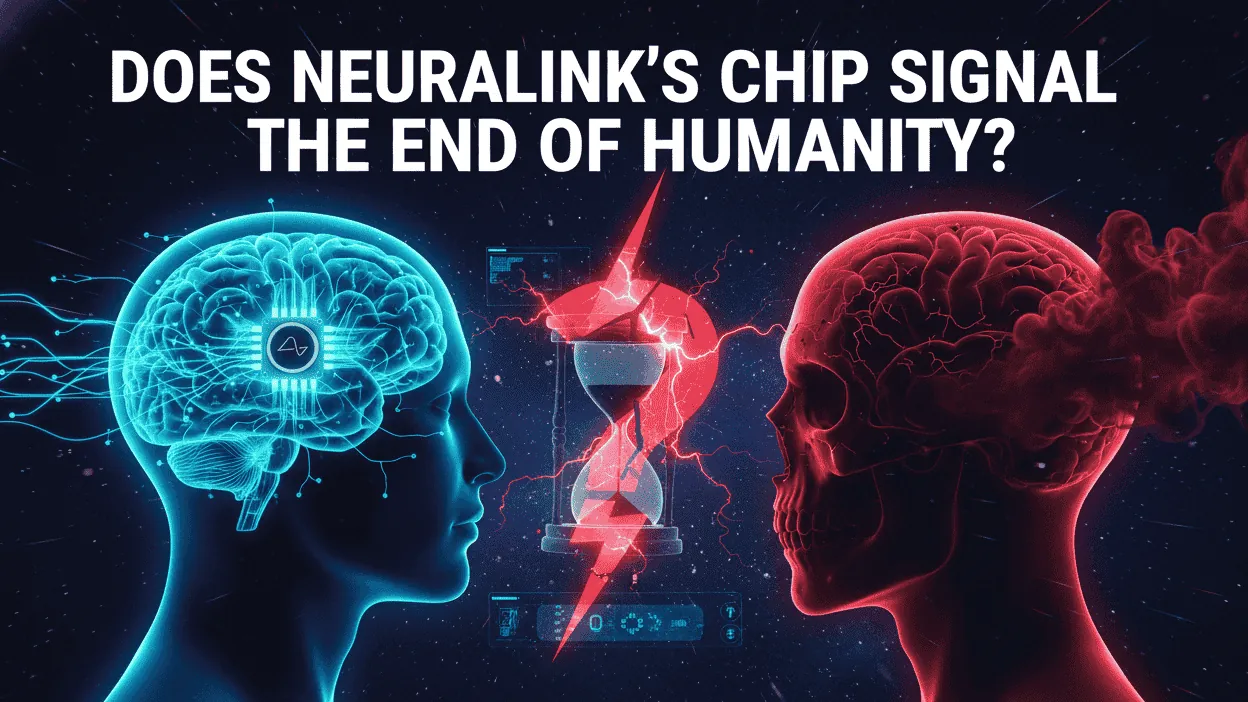
- Elon Musk presents Neuralink as a way for people to keep up with advanced AI, which he sees as an existential risk.
- Critics raise privacy, control, and inequality concerns about brain implants.
- Neuralink's trials so far are medical, and Neuralink reported zero serious device-related adverse events as of January 2026.
Neuralink's stated purpose
Neuralink builds brain implants with a high-bandwidth link between the brain and computers. The N1 device records from 1,024 electrodes, and people with paralysis use it to control computers and robotic arms at speeds matching able-bodied users. Elon Musk co-founded the company with a longer-term aim: without a closer link to computers, he argues, superintelligent AI could leave people behind.
Short-term, Neuralink is focused on restoring abilities: movement control through Telepathy, speech through the VOICE trial, and, in the future, vision through Blindsight. Neuralink's roadmap targets 25,000 channels by 2028. Musk has gone further in public, describing a future in which consciousness could be preserved in other forms, but Neuralink has not described any research toward that.
Neuralink had 13 participants by late October 2025 and reported 21 on January 28, 2026. A UAE trial site is recruiting.
The main debates
Critics argue that brain chips could enable surveillance, or that thoughts could become data that others can hack. Some predict inequality, with enhanced people dominating those without implants. Others worry about free will, fearing that decoders could influence decisions, and some skeptics of transhumanism see the whole project as unnatural.
The public facts address only part of this. The implant sends its signals over Bluetooth to the participant's own device, and Neuralink's privacy policy says trial data is governed by each trial's protocol and consent forms. Participants averaged about 50 hours a week of independent use in the Summer 2025 update.
What the trials show
Neuralink reported zero serious device-related adverse events as of January 2026, according to its two-year update. Participants reach a median of about 10 bits per second on Neuralink's cursor test and play games and control robots. After changes made following the first participant's surgery, Neuralink reported higher signal quality in 18 of the next 20 participants and says it is still improving thread retention.
Earlier, the monkey Pager played Pong by thought. Blindsight and speech restoration have FDA Breakthrough Device Designations, which speed up review without approving the devices.
Elon Musk's framing
Musk calls Neuralink a kind of insurance for humanity and says a closer link with AI would help people understand the universe. Internal projections reported by Bloomberg targeted 20,000 implants a year by 2031.
Where the debate goes next
Patient registries prioritize medical needs, and any enhancement for healthy people would come later and require separate approval. The debate will shift as results build up, especially if the device moves beyond medical use.
This article was first published in October 2025 and corrected in October 2026; the latest patient count is on the patient table.








